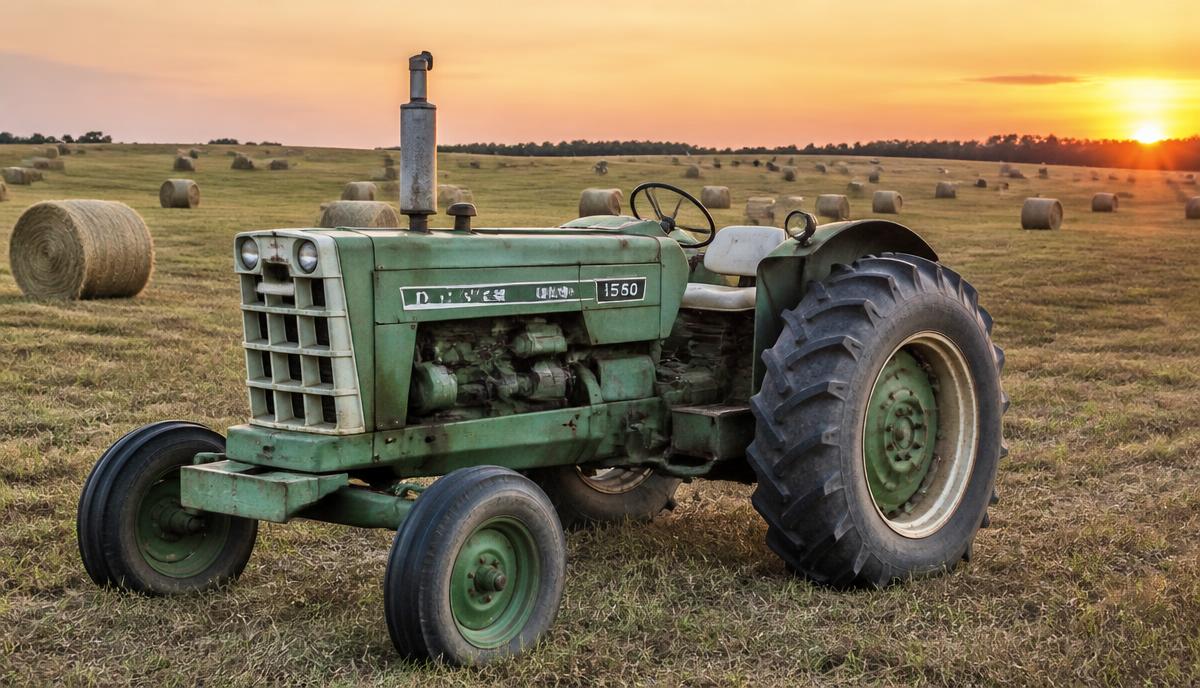
Two identical tractors can be five thousand dollars apart, and it is almost never the paint. Here is what buyers are actually pricing.
Hours matter less than you think
A well-maintained tractor with four thousand hours and a folder of receipts is worth more than a neglected one with two thousand.
Hours matter most near the thresholds where major service comes due. Know where your machine sits on that schedule and say so.
A loader is real money
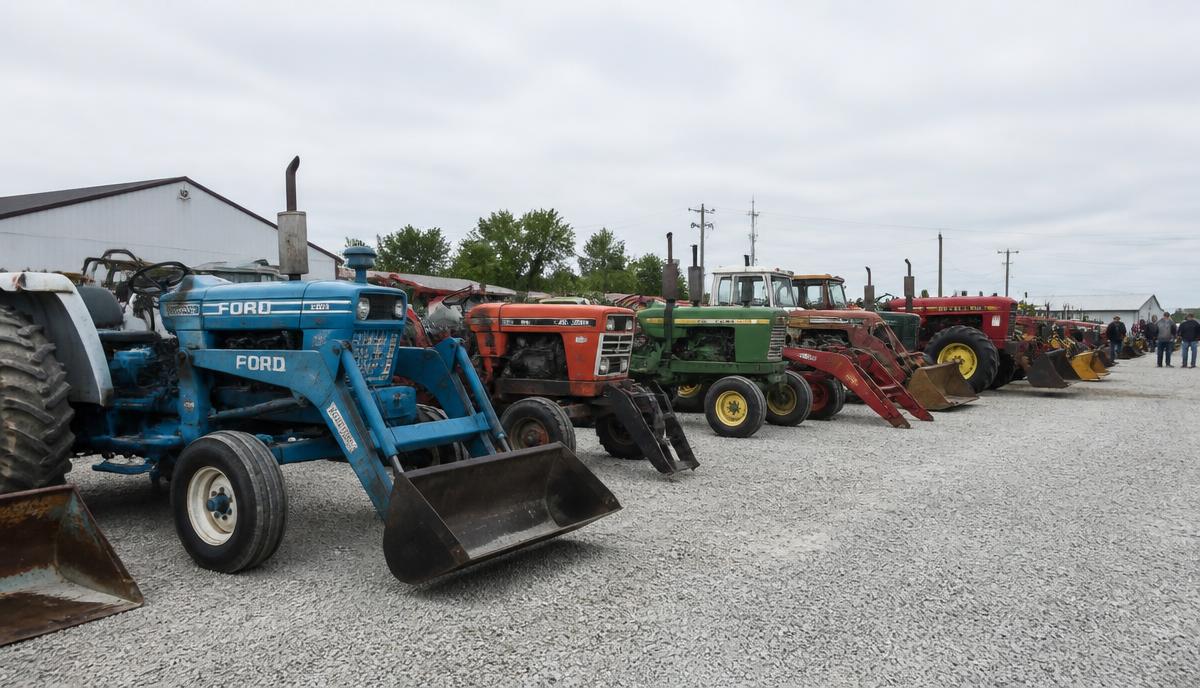
A matched, working front-end loader adds a large share of the value on a utility tractor, because most buyers will not consider one without it.
A mismatched bolt-on loader from another model subtracts value. Buyers know the difference.
Tires, hydraulics and the three-point
Rear tires are one of the biggest surprise costs on a used tractor. Good rubber is worth stating in the listing; bad rubber is worth pricing in before the buyer does it for you.
Test the hydraulics, PTO and three-point under load before you list, and describe honestly how each behaves.
Paperwork lifts the price
Service records, the operator's manual, the original sale documents and the serial plate photo all reduce the buyer's risk, and buyers pay for reduced risk.
No paperwork is not fatal. Pretending there is paperwork is.
Set the number
Find three to five comparable machines listed right now within a day's drive — same horsepower class, same loader situation, similar hours.
Price against those, not against what you paid or what the machine cost new. The market does not care about either.
List your tractor free
Post hours, condition and photos, set your price and reach buyers who are already looking for that machine.