Buyers decide in about two seconds whether to open a listing. The photo makes that decision, and most sellers hand it away for free.
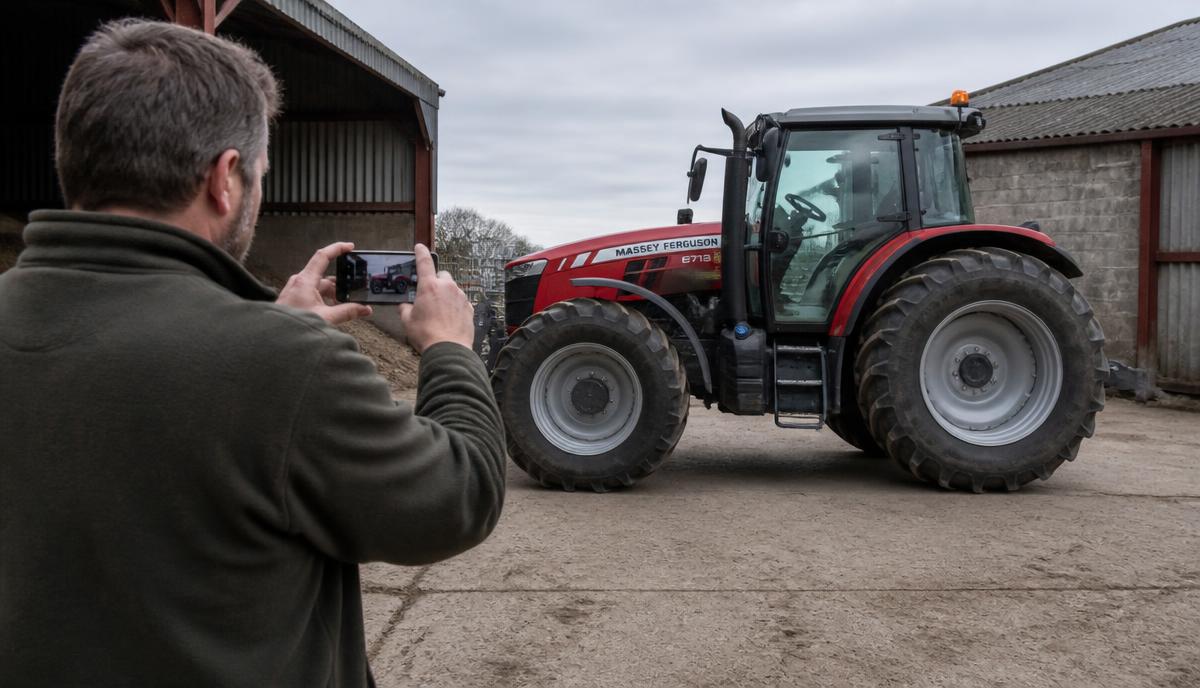
Shoot the whole animal or machine, side on
One clean side-on photo of the full subject, taken from about twenty feet back, does more work than ten close-ups. It shows shape, size and condition at a glance.
Stand so the sun is behind you, not behind the subject. A backlit animal is a black blob.
Clean the background
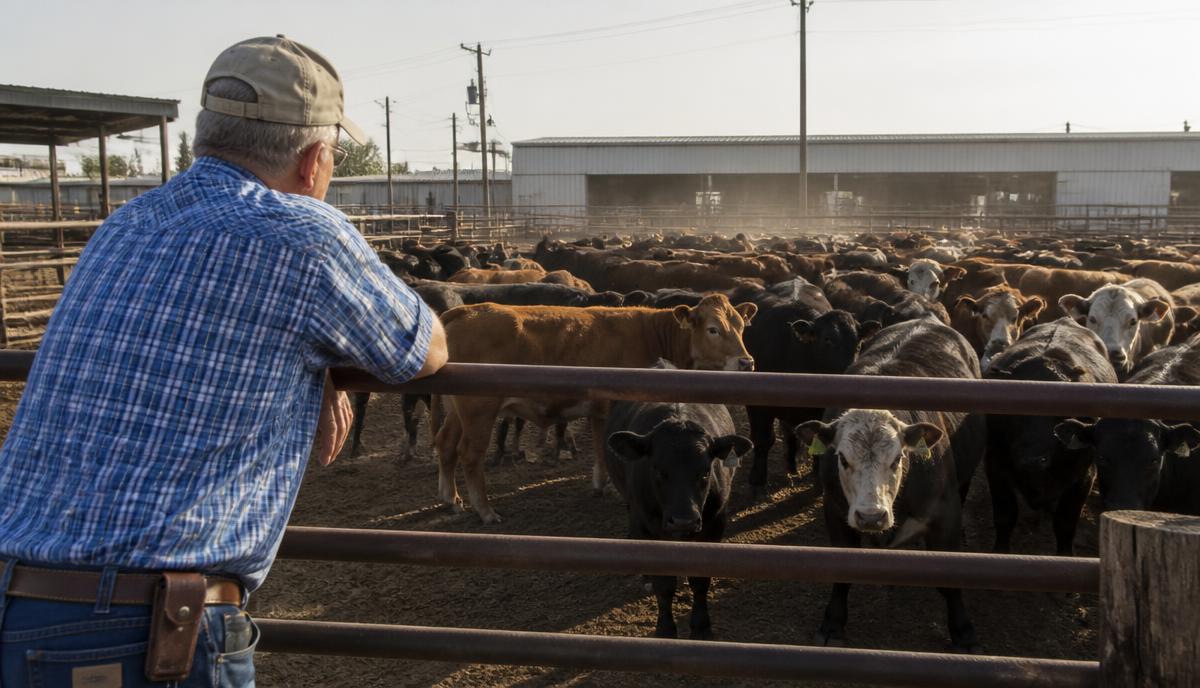
Move the machine out of the junk pile. Walk the cattle to open ground. A cluttered background makes people assume the rest of the operation is cluttered too.
Nothing in the frame you would not want a buyer asking about.
Photograph the flaws on purpose
The dent, the worn tire, the scar, the oil seep. Showing it builds trust and kills the argument at pickup.
A buyer who drives three hours and finds a surprise does not buy. A buyer who saw the flaw in the photo and came anyway is already sold.
Show the proof
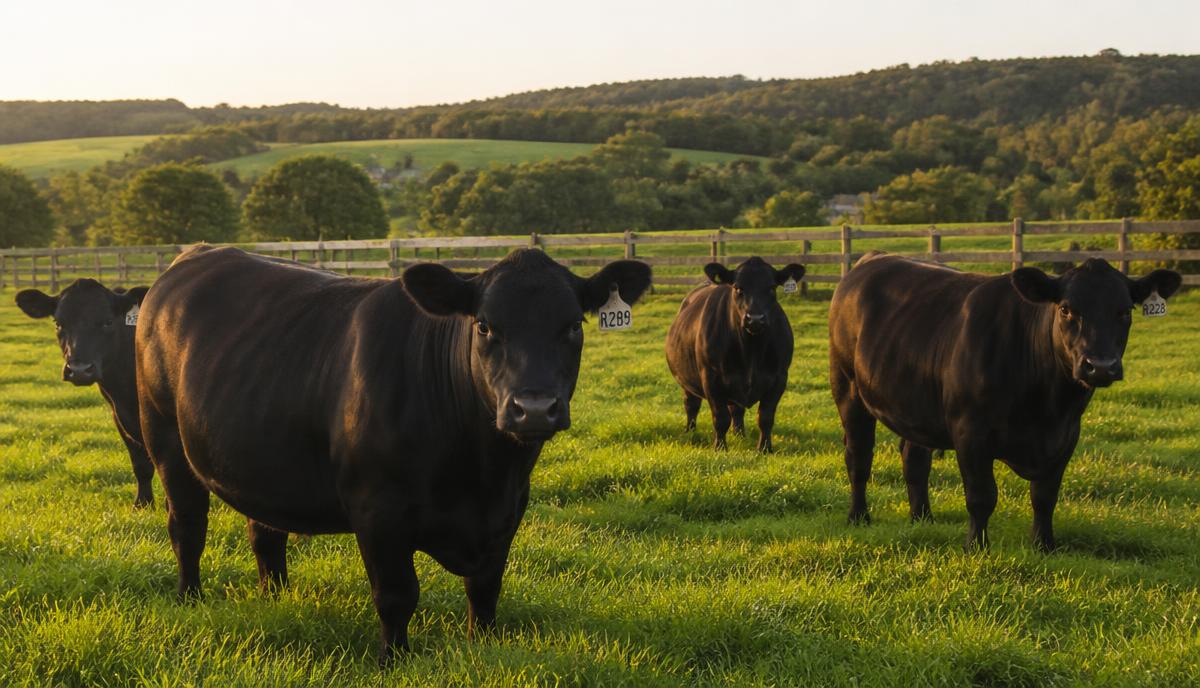
Hour meter, serial plate, tags, papers, vaccination record, receipts. One photo each. These are the pictures serious buyers zoom into.
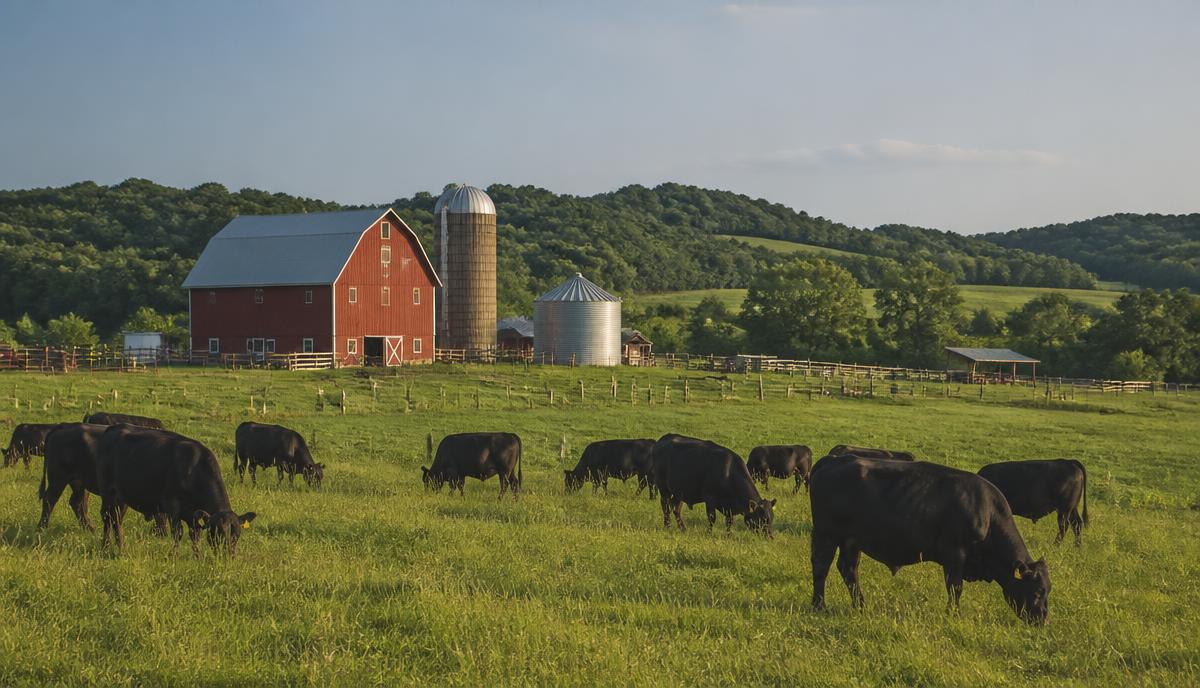
For cattle, a photo of the whole group plus two or three individuals shows uniformity, which is what a buyer is really paying for.
Take them in daylight, and take more than you need
Morning or late afternoon. Midday sun flattens everything and blows out the highlights.
Shoot twenty, post the best six. Put the strongest one first — it is the only one most people will see.
Ready to post?
Add your photos, set a price and your listing goes on the board free. Livestock sells at 0% commission.