Hauling livestock across state lines: the papers you need
Published September 10, 2026
Every state writes its own rules, and they change. This is the checklist to work through, not a substitute for calling the state vet in the state you are hauling into.
Certificate of veterinary inspection
Nearly every state requires a CVI — a health certificate from an accredited veterinarian — for livestock crossing the line. It has an expiration window, usually thirty days, sometimes less.
Get it close to the haul date, not months ahead, and make sure the destination address on it is correct.
Official identification
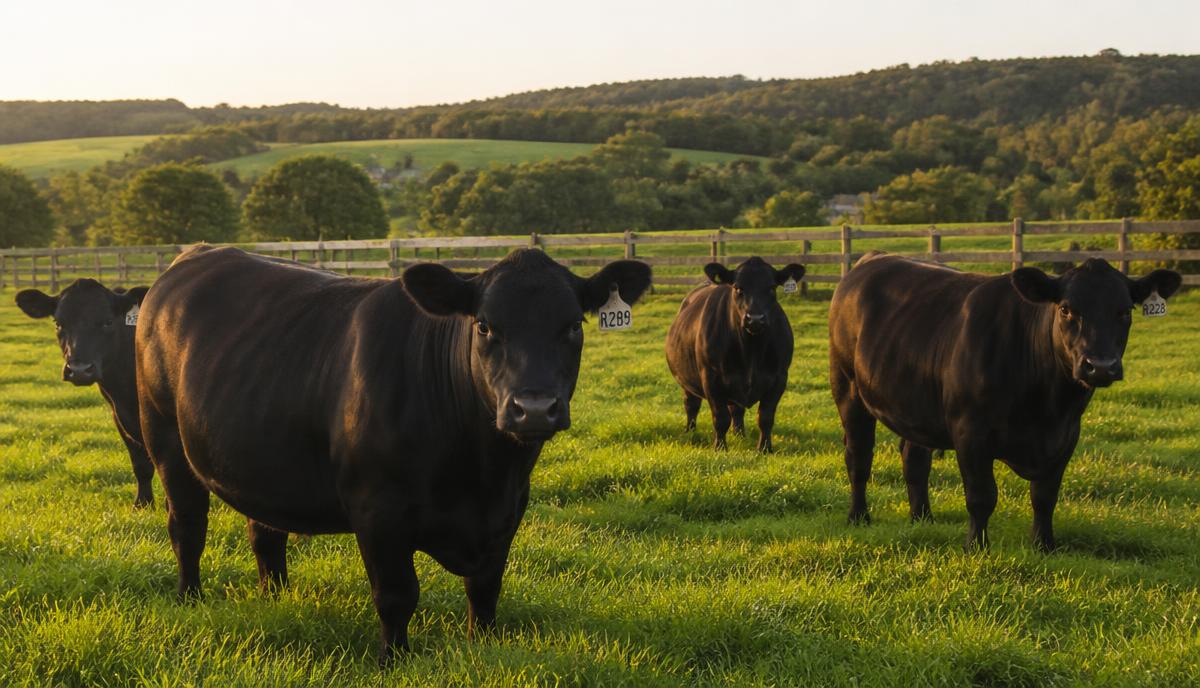
Most breeding cattle and many other classes need official ID — an electronic or metal tag recorded on the health papers.
The tag numbers have to match what is written on the CVI. A mismatch at a check station stops the load.
Testing requirements
Some states require brucellosis or tuberculosis testing on certain classes, particularly breeding females and bulls. Testing takes time, so ask early.
Equine hauls generally need a current Coggins test in addition to the health certificate.
Brand inspection
In the western brand states, cattle need a brand inspection before they leave, and sometimes before they change hands at all.
This is a state-by-state matter. If either end of the haul is a brand state, sort it out before loading.
Who pays and who arranges
Settle this in writing before money moves: who pays the vet, who books the hauler, who covers a delay, and at what point the animals become the buyer's risk.
Most private sales work out simply — seller provides health papers, buyer pays hauling. The problems come from assuming instead of saying it.
Buying from out of state?
Browse livestock listed by real farms, with the county posted up front so you know the haul before you call.
General information only, not legal or veterinary advice. Requirements vary by state and species — confirm with the destination state's animal health office and your veterinarian before hauling.