The overpayment
They send a check or transfer for more than the asking price and ask you to refund the difference, often to a "shipper".
The payment reverses days later. The refund does not. Never refund an overpayment — void the whole deal instead.
Published September 2, 2026
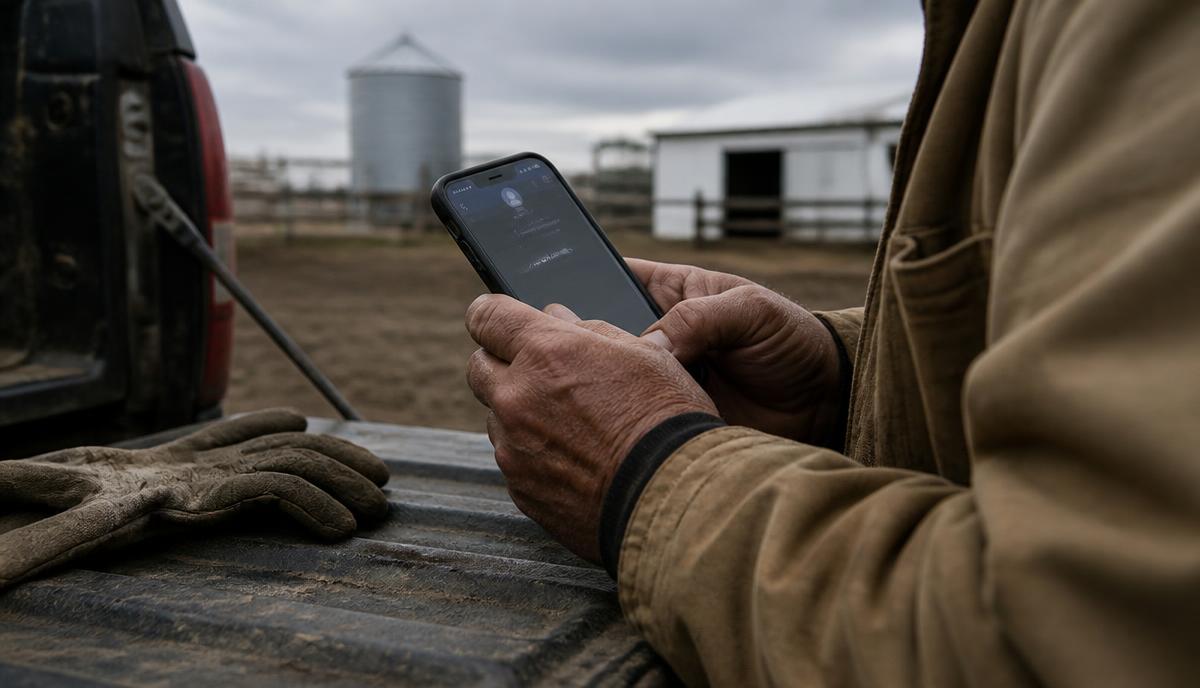
Anyone selling anything online eventually meets one. They all follow the same few scripts, and they all fall apart the moment you slow down.
They send a check or transfer for more than the asking price and ask you to refund the difference, often to a "shipper".
The payment reverses days later. The refund does not. Never refund an overpayment — void the whole deal instead.
They will buy sight unseen, at full price, and they have their own hauler who needs paying up front through you.
Real buyers arrange and pay their own hauling, or use one you both agree on. Money moving through you to a third party is the tell.
A genuine buyer asks about weight, hours, health papers, breeding, why you are selling. A scammer asks only whether it is still available and how to pay.
If nobody cares what they are buying, they are not buying it.
Urgency is the tool: they are traveling, the wire has to go today, the family emergency. Slow down and the deal evaporates.
Gift cards, crypto and payment apps sent to strangers have no recovery path. Cash at pickup, a verified bank transfer that has cleared, or a cashier's check confirmed with the issuing bank directly.
Money clears completely before the animal or machine leaves your place.
Never refund an overpayment. Never pay a buyer's shipper. Never ship first.
Keep the conversation in writing, and report anything that smells wrong so it can be pulled off the board.
Health certificates, brand inspection, testing and ID — what a buyer and seller each have to have before the trailer rolls.
Today's USDA fed cattle, cull cow and boxed beef numbers, and what they mean if you are thinking about selling.
A simple way to land on a number buyers take seriously — using weight, class and today's market instead of what the neighbor says.