Farm Auctions: How to Buy and Sell With Less Risk
Published October 8, 2026
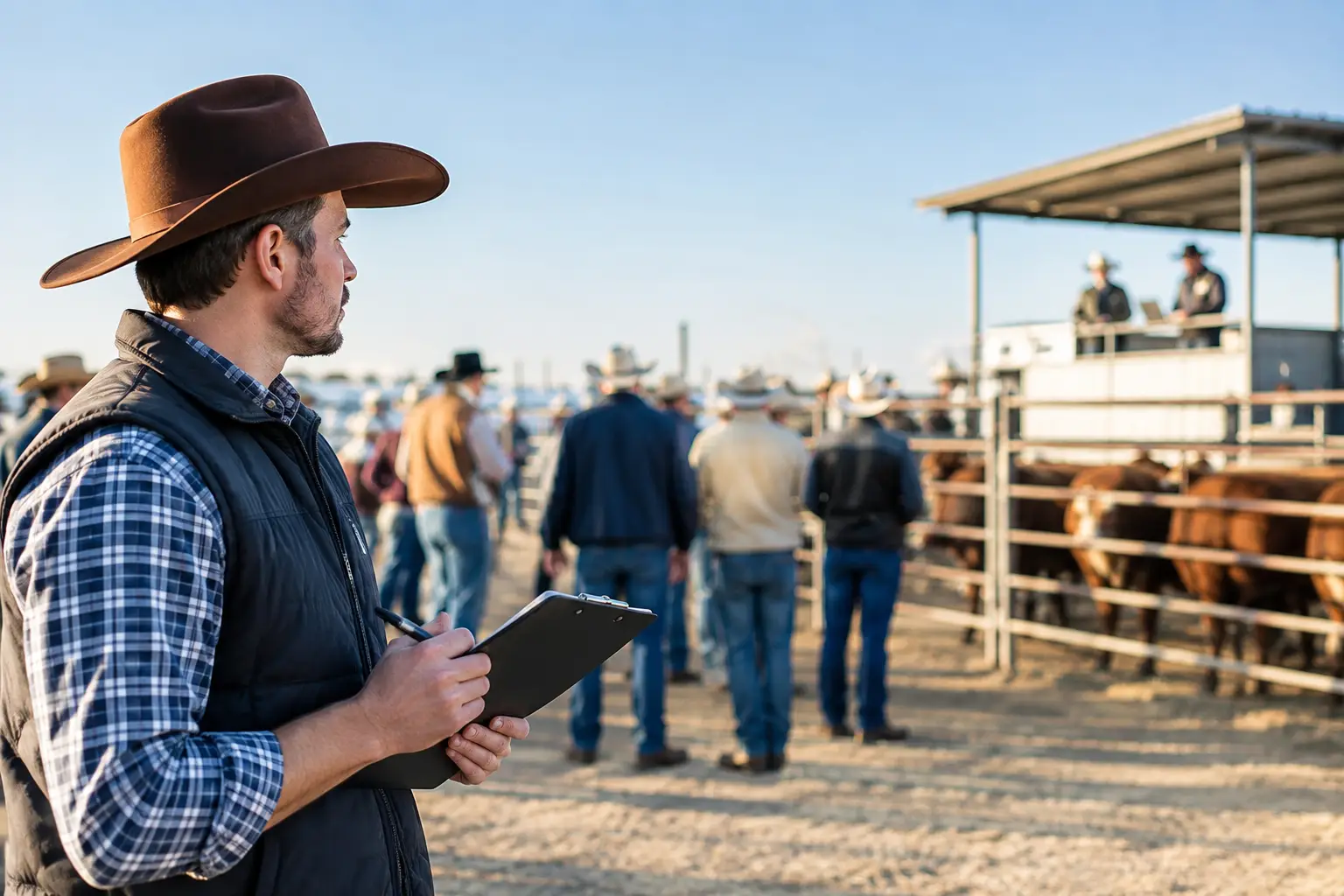
A clean tractor, a dependable stock trailer, or a hard-to-find implement can bring serious interest at farm auctions. But an auction price is not a guarantee of value. The buyer still needs to inspect, the seller still needs to disclose, and somebody still has to get the equipment home.
That is what separates a good auction from a costly mistake. Whether the sale is online, at a local yard, or run through a national marketplace, the best results come from clear terms, honest photos, realistic expectations, and a plan before the bidding starts.
How Farm Auctions Work
At their simplest, farm auctions put a selling window around an item. A seller lists the equipment, buyers place bids, and the high bidder wins when the auction closes, subject to the stated terms. Timed online auctions may extend the closing time when a bid lands near the end. That keeps a last-second click from ending the sale before other interested buyers have a fair chance to respond.
Most equipment is sold as-is, where-is. That does not mean a seller can hide problems. It means the buyer is responsible for asking questions, reviewing the listing, inspecting when possible, and understanding what they are buying before placing a bid. A missing PTO shield, weak hydraulic cylinder, cracked tire, or questionable hour meter should be disclosed and priced accordingly.
The auction format works especially well when an owner wants a defined sale date and broader exposure than the local coffee shop can provide. It can also show what the market will pay for equipment with wide demand, such as tractors, loaders, hay tools, trailers, and skid steer attachments.
It is not the right fit for every item. Highly specialized machinery may need a targeted buyer and more time. A fixed-price owner-to-owner listing can be the better route when the seller knows the value, is not in a hurry, and wants room to negotiate directly.
Buying at Farm Auctions Without Getting Carried Away
A bid is a commitment, not a request for more information. Do the homework before auction day, not after you win.
Start with the complete cost
Set a maximum bid based on the total cost to put the machine to work on your place. Include the buyer premium, applicable taxes, hauling, loading, repairs, and any parts needed to make it safe or usable. A $12,000 winning bid can become a $14,000 purchase quickly when transport and repairs are added.
Know whether the listed price includes attachments. A loader, bucket, bale spear, front weights, quick-attach plate, remote valve, or monitor may be pictured but excluded. Read the description closely and ask if anything is unclear.
Inspect what you can
Real photos are useful, but they are not the same as walking around a machine. If the item is close enough, inspect it in person. Check cold starts, hydraulic operation, tire condition, fluid leaks, welds, drawbar wear, PTO engagement, lights, brakes, and serial numbers. On larger equipment, bring somebody who knows that make and model if you do not.
For an online-only purchase that is too far away to inspect, ask for specific information rather than a general question like, Is it good? Ask when it last worked, what needs repair, whether it has been stored inside, if the hour meter is believed accurate, and whether the seller has a video of it running. Straight answers are worth more than polished sales language.
Treat photos with care. A fresh wash does not prove good maintenance, and a dusty machine is not automatically neglected. Look for the details around the edges: worn pins and bushings, fresh paint over repairs, uneven tire wear, damaged hoses, missing guards, and oil around seals.
Bid once, with a ceiling
Auction pressure is real. It is easy to keep bidding because you have already spent time researching the item or because another bidder is pushing the price. That is how a bargain turns into an expensive lesson.
Write down your ceiling before bidding opens. If the price crosses it, let the equipment go. Another hay rake, trailer, or compact tractor will come along. The machine you miss is cheaper than the machine that drains your repair budget.
Selling Equipment Through Farm Auctions
Buyers bid harder when they can see exactly what they are getting. Good listings do not need fancy language. They need useful facts.
Start with a complete, accurate description: make, model, year if known, serial number, hours shown, ownership history, known repairs, included attachments, and defects. Say whether the machine starts, drives, lifts, runs a PTO, or has been sitting. If a trailer has a weak floorboard or a tractor has a hydraulic seep, put it in the listing. Surprises after the sale cost more than honesty before it.
Photos should show every side, not just the best angle. Include the hour meter, tires or tracks, cab interior, hydraulic couplers, controls, implements, hitch, serial plate, and any damage. If it runs, a short video can answer questions that still photos cannot.
Choose the timing and terms carefully
Auction timing matters. A combine offered after harvest may draw buyers who need a replacement before next season. A mower-conditioner listed when grass is growing can bring more attention than one offered during a winter storm. Local weather, planting schedules, and regional demand all affect interest.
Set clear pickup expectations before the auction starts. State where the item is located, whether loading help is available, the deadline for removal, and whether a lowboy or other specialized trailer is required. If you cannot load it, say so. A buyer may be willing to arrange equipment, but only if they know ahead of time.
If reserve pricing is available, use it with some discipline. A reserve can protect against selling an item too cheaply, but a reserve set above the real market can leave a good machine unsold. Look at condition, local demand, comparable sales, and repair needs. The number in your head is not always the number buyers will pay.
Fees, Payment, and Paperwork Need to Be Plain
Before listing or bidding, read the fee schedule. Sellers need to know the seller fee and whether it is capped. Buyers need to know the buyer premium, taxes, and payment deadline. Fee surprises are one of the fastest ways to sour a sale.
BarnBridge, for example, runs timed online equipment auctions with a 4% seller fee and a 5% buyer premium, with both capped at $2,500. That cap matters more as equipment values rise. Whatever auction service you use, make sure the terms are stated before the first bid is placed.
Payment should be handled exactly as the auction terms require. Do not release equipment based on a screenshot, a verbal promise, or a check that has not cleared. Buyers should receive a bill of sale with the equipment description, serial number when available, purchase price, date, and names of both parties. For titled trailers, make sure the title and any required lien release are ready at pickup.
Livestock auctions carry added responsibilities. Health records, brand inspections, certificates of veterinary inspection, ownership documents, and state movement rules can vary by species and location. Know what applies before animals are loaded, not when the truck is backed to the chute.
Hauling Is Part of the Deal
A winning bid does not move a 12-foot implement, a combine header, or a gooseneck trailer. Buyers should confirm dimensions, weight, loading access, and whether the equipment is roadworthy before arranging transport. Sellers should make the pickup area workable for a truck and trailer, especially after rain.
Confirm who is responsible for loading and securing the item. A seller with a loader may be able to help, but that should never be assumed. If the machine is inoperable, say it plainly so the buyer can bring a winch, rollback, crane, or the right trailer.
For both sides, take photos at pickup. Photograph the serial number, condition, accessories, and the loaded item. It is a simple record of what changed hands and can prevent arguments later.
When an Auction Is Not the Best Sale Method
Farm auctions are strong when there is enough buyer interest to create competition and the seller wants a firm end date. They are less useful when an item needs a long explanation, has a narrow buyer pool, or requires a buyer to see it working in a specific setting.
A direct fixed-price sale gives both parties more room to inspect, negotiate, and coordinate payment and hauling. That can be the better choice for breeding stock, custom-built equipment, unusual implements, or machinery with a value that is hard to establish through open bidding. There is no prize for choosing an auction when a straightforward owner-to-owner sale would serve the deal better.
The best transaction leaves no one guessing. Put the condition, fees, payment terms, and pickup plan in the open. Then let the equipment speak for itself and let buyers bid with their eyes open.
See what your machine is worth
Listings are free and livestock sells at 0% commission. Buyers contact you directly.