Are Livestock Health Papers Required to Sell?
Published October 16, 2026
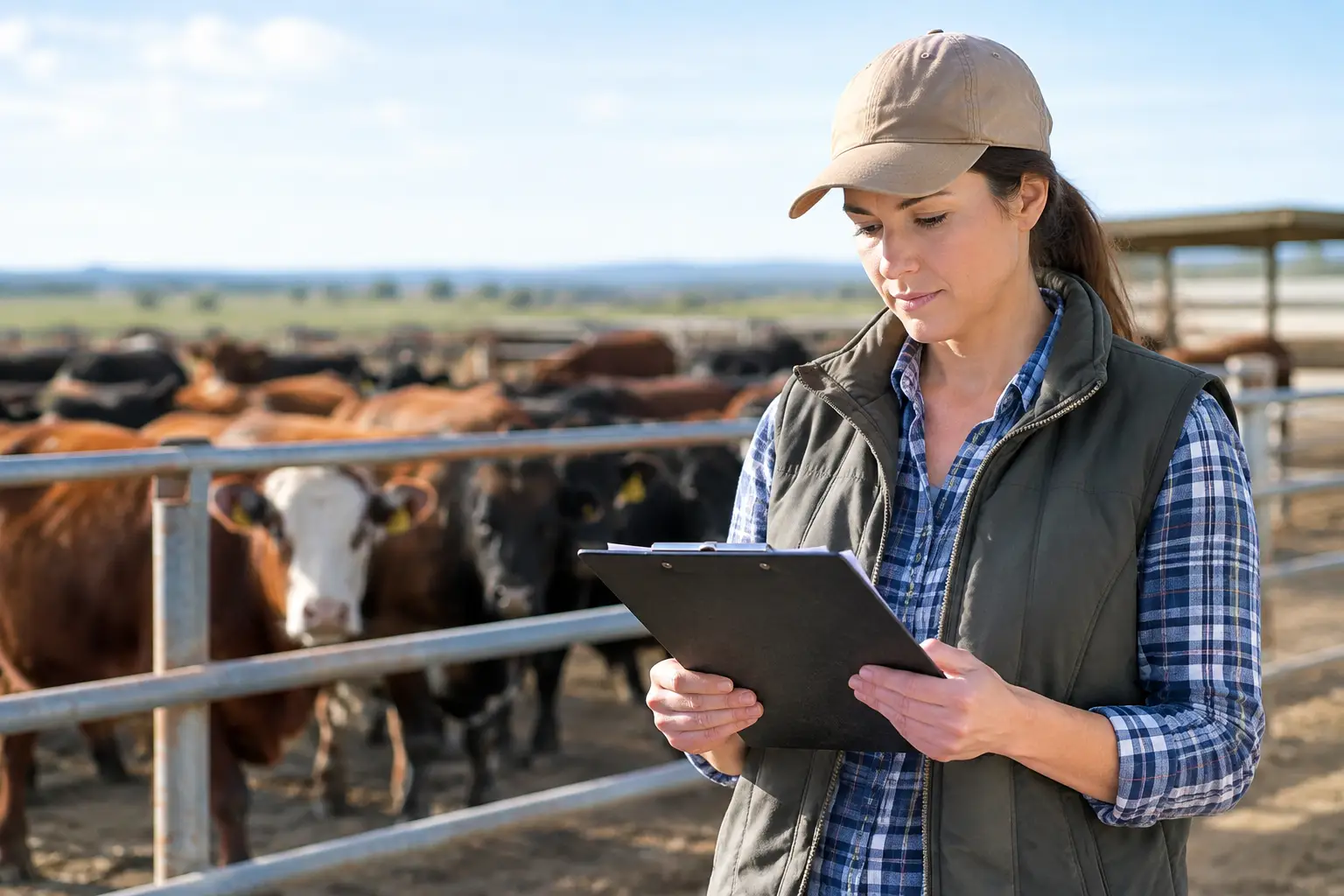
A buyer is lined up, the trailer is coming Saturday, and then someone asks, “Do these cattle have health papers?” That question can stop a deal cold if nobody knows what the destination state requires. The short answer to are livestock health papers required is: sometimes. There is no single set of papers required for every private livestock sale in the United States.
What is required depends on the animal, where it is located, where it is going, why it is moving, and the current disease rules in both states. A local, in-state sale may need little more than a clear bill of sale and any required brand paperwork. An interstate move can require an official Certificate of Veterinary Inspection, animal identification, testing, entry permits, or all of the above.
Before money changes hands or a hauler gets dispatched, buyer and seller need to settle the paperwork question. It is cheaper than unloading a trailer at the state line.
Are Livestock Health Papers Required for Every Sale?
No. Private treaty livestock sales do not automatically require health papers just because an animal is being sold. But moving livestock is different from selling livestock. State animal health rules commonly apply when animals cross state lines, enter a breeding herd, attend an exhibition, go to a sale barn, or move under a program with its own requirements.
For an in-state, farm-to-farm sale, health paperwork may not be legally required in many situations. That does not mean paperwork is useless. A buyer may reasonably ask for vaccination records, pregnancy information, testing history, treatment records, or a veterinarian’s statement of health. Those are private deal terms, not always government-required documents.
For an interstate shipment, assume nothing. Most states require some form of official veterinary documentation for many classes of livestock entering the state. Requirements can change with disease outbreaks, import rules, species, age, sex, and intended use. Feeder cattle may have different requirements than breeding cattle. A show goat may be treated differently than a market goat. Horses, swine, sheep, poultry, camelids, and dairy cattle all have their own rule sets.
The cleanest approach is to ask a direct question before listing or committing: “What does the destination state require for these specific animals?” The answer should come from the destination state animal health office, not a guess from the coffee shop or a rule that was true three years ago.
What People Mean by “Health Papers”
The phrase gets used loosely. In a real transaction, it may refer to one document or several separate documents.
An official Certificate of Veterinary Inspection, often called a CVI or health certificate, is the document most people mean. An accredited veterinarian examines the animals, records identifying information, and certifies that they appeared free of signs of contagious disease at the time of inspection. A CVI is not a lifetime guarantee and it is not a substitute for a buyer’s own inspection. It is a time-limited official movement document.
Other paperwork may be required alongside the CVI. Depending on the species and destination, that can include an entry permit number, official ear tags or other permanent identification, negative test results, vaccination documentation, or a brand inspection certificate. For horses, a current negative Coggins test for equine infectious anemia is a common requirement for interstate movement and many events. For cattle, official identification and disease-program rules can matter, especially for breeding stock, dairy animals, or animals from areas under additional movement controls.
A bill of sale is different. It documents the private transaction: who sold the animal, who bought it, what animal was sold, the price, date, and any terms such as “sold as-is” or “subject to veterinary inspection.” It may be valuable for ownership, tax records, insurance, financing, and disputes, but it usually does not replace a CVI when a state requires one.
Interstate Moves Are Where Details Matter
Crossing a state line is the point where casual assumptions cause problems. The receiving state sets import requirements, and those rules control even if the seller’s state has lighter requirements. A hauler may also have practical requirements before accepting a load, especially when moving animals commercially.
Start by identifying the final destination, not merely the first stop. If cattle are being picked up in Oklahoma, held overnight in Kansas, and delivered to a buyer in Missouri, the intended movement and final destination both matter. If animals are heading to an auction market, a fair, a slaughter facility, a breeding operation, or a new owner’s farm, tell the veterinarian and the state office. Purpose of movement can change the rule.
Timing matters too. Health certificates and tests have validity periods. Do not pay for a CVI weeks before hauling without confirming when the animals will actually move. A delayed pickup, a weather hold, or a buyer who changes destinations may mean the paperwork has to be updated.
Disease events can also change the ground rules fast. Temporary restrictions or additional testing can be put in place during outbreaks involving cattle, poultry, swine, sheep, goats, or other species. Good livestock people keep an eye on current requirements rather than relying on a saved screenshot.
Who Should Pay for Health Papers?
There is no universal answer. Put the agreement in writing before the veterinarian is called.
In many private sales, the buyer pays for documents required solely because they want to take animals to another state. That is common when the seller advertised animals for local pickup and the buyer later arranges interstate hauling. On the other hand, a seller advertising nationwide may choose to provide a current CVI, testing, or required ID to make the listing easier to buy.
A fair arrangement depends on the facts. If the animals fail a required test, discover an ID problem, or cannot meet the destination state’s entry standards, decide ahead of time whether the deposit is refundable and who pays the veterinary cost. There is no benefit in leaving that discussion until the trailer is in the driveway.
On a direct marketplace, clear listing language saves time. State whether the animals are available for in-state pickup only, whether interstate paperwork is available, what records are already on hand, and who covers certificates, tests, tags, and permits. Real photos and honest records go a long way, but they do not replace required documents.
What Sellers Should Have Ready
You do not need to bury a buyer in paperwork. You do need to know what you are selling and be ready to provide accurate information to a veterinarian, buyer, or state official.
Keep the animal’s basic identification straight: breed, sex, approximate age or birth date, color and markings, tag number, registration number if applicable, and any tattoo, brand, microchip, or official ID. For groups of commercial livestock, maintain enough lot information to match the animals actually being loaded.
Health and management records are worth keeping even where they are not required. Record vaccination dates and products, deworming and treatment history, known illnesses, pregnancy checks, breeding exposure, and withdrawal times for any medication. Do not represent an animal as vaccinated, tested, bred, or sound if you cannot back it up.
For cattle and other food animals, drug withdrawal information deserves special care. A buyer taking an animal to slaughter needs accurate treatment history. A seller who shrugs off that question is creating risk for everyone downstream.
What Buyers Should Ask Before Sending a Deposit
Ask early, especially if you are hauling across state lines. Confirm the exact pickup location, final destination, species, class of animal, number of head, and planned haul date. Then contact the destination state animal health authority or ask your accredited veterinarian what is currently required.
Do not assume a veterinarian can issue every document on the same day. Testing may take time, official tags may need to be applied, and some states require permits before the CVI is completed. If you are buying at the last minute for a breeding season or a show, build in time for the paperwork.
Also separate legal movement requirements from your own buying standards. A current health certificate does not tell you whether a horse is sound, whether a cow is open, whether goats have a parasite problem, or whether a breeding boar fits your herd plan. Inspect the animals, ask questions, and use a pre-purchase veterinary exam when the value and risk justify it.
A Simple Way to Keep the Deal Moving
For a straightforward private sale, handle the paperwork in this order:
- Confirm the animal type, head count, origin, destination, purpose of movement, and haul date.
- Check the destination state’s current entry rules for that exact movement.
- Agree in writing on who pays for certificates, tests, tags, permits, hauling, and any failed-paperwork outcome.
- Schedule the veterinarian early enough to complete the CVI and any required testing.
- Keep copies of the bill of sale, CVI, test results, permits, and identification records with the shipment and with both parties.
That is not red tape for its own sake. It protects the buyer, seller, hauler, and the livestock industry from a preventable mess.
Frequently Asked Questions
Do livestock health papers prove an animal is healthy?
No. A CVI reflects the veterinarian’s inspection on a particular date and confirms the animal met applicable movement requirements at that time. It cannot guarantee future health, fertility, soundness, or freedom from every disease. Buyers should still inspect animals and review available records.
Are health papers needed when hauling livestock within the same state?
Maybe. Some in-state movements, exhibitions, markets, brand-inspection areas, or disease-control zones have their own requirements. Check state rules and the receiving facility’s policy rather than assuming local hauling means no documents are needed.
Can the seller use an old health certificate?
Only if it is still valid and matches the animals, destination, and purpose of the current move. Because certificates expire and import rules can change, an old CVI is often not enough for a new sale or a different destination.
A good livestock deal should not depend on somebody getting lucky at a checkpoint. Know the requirements before the trailer rolls, put the responsibility for paperwork in plain language, and keep the records with the animals. That is how direct, owner-to-owner business stays simple and honest.
Got stock to sell?
Listings are free and livestock sells at 0% commission. Buyers contact you directly.