Best Cattle Breeds Small Farms Can Actually Manage
Published October 29, 2026
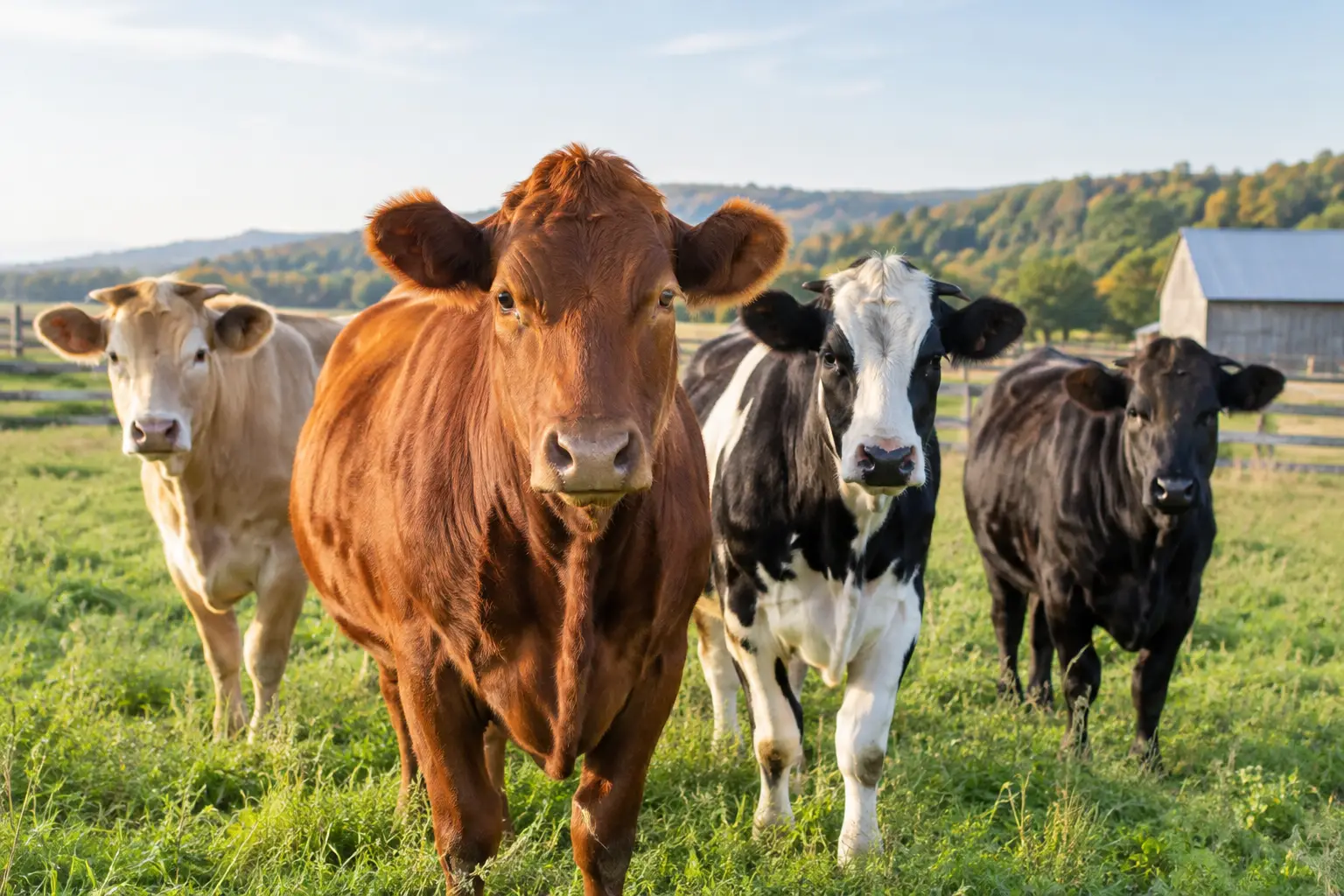
A small acreage can get crowded in a hurry when cattle are the wrong size, too flighty for the handling setup, or eating more hay than the place can support. The best cattle breeds small farms can manage are not always the biggest calves at weaning or the highest-milking cows on paper. They are the cattle that fit your grass, fences, budget, labor, and market.
For many small operators, the right starting point is two to six cows, a few feeder calves, or a modest breeding pair. That makes disposition and easy keeping matter more than a breed’s sale-ring reputation. Good cattle still need sound fencing, mineral, clean water, shade, and a plan for mud, hay, and working them safely. Breed choice does not replace any of that, but it can make the daily work a whole lot more manageable.
Start With the Job You Need Cattle to Do
Before picking a breed, decide what you are selling or producing. A family wanting freezer beef has different needs than a homesteader milking one cow, and both differ from a producer selling weaned calves every fall.
If your main goal is beef, look for cattle that finish reasonably on your available forage and can produce a marketable calf without constant intervention. If you want dairy, prioritize udder quality, manageable milk volume, and a realistic plan for milking every day. A dual-purpose cow may fit a household that wants some milk and a calf to raise, but she will not usually compete with specialized dairy or beef stock in either category.
Also be honest about your facilities. A gentle breed is still dangerous if it has never been handled and you are trying to work it with a light-duty gate panel and no catch pen. Buy cattle suited to your setup, then improve the setup as the herd grows.
Best Cattle Breeds for Small Farms Raising Beef
Angus
Angus are common for a reason. They are widely available, familiar to buyers, and have a strong place in commercial beef markets. A small farm can find registered cattle, commercial cows, feeder calves, and Angus-cross cattle in nearly every region.
The trade-off is that Angus cattle vary widely because there are so many of them. A quiet, moderate-framed Angus cow from a herd selected for grass and disposition may be a fine small-farm choice. A high-performance, hard-driving set bred for a different environment may not be. Evaluate the individual animal, not just the black hide.
Hereford
Herefords have a long reputation for docility, thriftiness, and maternal ability. Their white faces make them easy to identify, and Hereford-influenced cattle are familiar at local markets. They can be a practical fit for operators who want calm cattle and a cow herd that holds condition on sensible forage.
Watch for eye issues in areas with intense sun and heavy pinkeye pressure, especially in cattle with exposed pigment around the eyes. Good management and selection for pigmentation help, but it is worth discussing with the seller.
Red Angus
Red Angus offer many of the same practical beef traits people seek in Angus cattle, often with a calmer reputation in certain programs and the benefit of red hide color in hot, sunny country. They are polled, generally moderate in frame, and accepted across many commercial marketing channels.
Availability may be thinner than black Angus in some areas. That is not necessarily a problem, but it can matter if you want to build a uniform herd or replace breeding stock close to home.
Dexter
Dexters are one of the first breeds many homesteaders consider, and for good reason. They are smaller than standard beef cattle, can work well on limited acreage when stocked correctly, and have a useful dual-purpose history. A mature Dexter consumes less than a mature continental-type cow, which can make winter feed bills more manageable.
Small does not mean no-fence cattle. Dexters still need real cattle fencing, and they can be surprisingly athletic. They also produce a smaller carcass and smaller calves, which may be exactly what a family wants but may not fit every commercial buyer’s preference. If purchasing Dexters, ask about genetic testing and breeding history, particularly around chondrodysplasia and bulldog calf risk.
Lowline Angus
Lowline Angus, also called Aberdeen in some circles, appeal to small-acreage owners who want a compact beef animal without stepping entirely outside familiar Angus genetics. Their smaller mature size can reduce feed requirements, and many are selected for efficient grass use and docile handling.
As with any specialty or smaller-framed breed, do not assume every animal is economical simply because it is compact. Look at body condition, feet, fertility records, actual mature weights, and what the herd has been fed. A well-managed moderate cow is usually cheaper to keep than an overfed cow of any breed.
Breeds That Can Work for Milk and Home Use
Jersey
For a household milk cow, the Jersey is hard to ignore. Jerseys are smaller than Holsteins, efficient for their size, and known for rich milk with high butterfat. That makes them popular for drinking milk, butter, cheese, and calf raising.
The downside is that a good Jersey can produce more milk than one family needs. You need a plan for the milk, a calf to nurse or raise, or a legal outlet if you intend to sell dairy products. Temperament varies, and dairy cows are handled often, so buy one that has been milked properly and can be demonstrated in the stanchion.
Milking Shorthorn
Milking Shorthorns are a sensible option for people who want a calmer, useful dual-purpose type. They can provide family milk while raising a respectable calf, and their moderate frame can be easier to feed than a large modern dairy cow.
They are less common in some regions, so finding a nearby herd with sound health records may take patience. That patience is usually worthwhile. A proven, healthy cow with a known milking routine is a better buy than an unknown bargain three states away.
Beef-Dairy Crosses
A beef-dairy cross can be a practical middle ground, particularly for raising calves or producing home beef. Crossbred animals may bring hybrid vigor and combine milk for calf growth with more muscling than a straight dairy animal. The results depend heavily on the specific sire, dam, and management.
For a first cow, avoid buying based on a catchy crossbreed label alone. Ask how old she is, whether she has calved unassisted, what her calves weighed, how she handles, and why she is for sale.
What Matters More Than Breed Name
A breed points you in a direction. The individual animal determines whether you have a good purchase. When looking at cattle, put more weight on practical evidence than a sales description.
Check feet and legs first. A cow that is short-strided, excessively lame, or badly shaped in the hoof can turn into an expensive problem. Look at her body condition, hair coat, eyes, udder, and teeth if she is an older cow. In breeding cattle, ask for calving history, vaccination records, pregnancy status, and any history of prolapse, retained placenta, or repeated assistance.
Disposition deserves a close look. Watch the cattle from outside the pen before walking in. Do they settle, move normally, and respect space, or are they constantly looking for a way over the fence? Ask the owner how they load, whether they have been through a chute, and who normally handles them. Real photos and an honest conversation can tell you more than a polished breed description.
Match Stocking Rate to the Ground, Not the Dream
The biggest small-farm mistake is overstocking. An acre can look green in May and be bare by August. Carrying capacity changes with rainfall, soil, pasture type, grazing management, and whether you are feeding hay year-round. There is no universal acres-per-cow number that holds across the United States.
Start lighter than you think you need. Rotational grazing can improve pasture use, but it does not create forage out of thin air. Plan a sacrifice area for wet weather and winter feeding so cattle are not standing knee-deep in mud and ruining the pasture you need next spring.
Small farms also need an exit plan. Know where you will sell a cull cow, an extra bull calf, or a group of feeder calves before they are ready to leave. Local buyers, sale barns, private-treaty customers, and owner-to-owner marketplace listings all have a place, depending on the cattle and your timeline.
Buy the Kind of Cattle You Can Keep Well
The best choice is usually a moderate, sound, calm animal from a herd managed under conditions similar to yours. If you have fescue pasture and modest facilities, cattle that have lived on fescue and been handled quietly may serve you better than high-dollar stock raised on a completely different program.
Do not be afraid of crossbred cattle. A Hereford-Angus cross, a moderate British-breed cow, or a carefully selected beef-dairy cross may fit a small farm better than chasing a purebred name. Buy from owners willing to answer direct questions, disclose faults, and let you inspect the animal before money changes hands.
A good small herd should leave you with healthy calves, usable pasture, and enough money left to buy hay when winter shows up. That is a better measure of success than any breed label on the sale sheet.
Got stock to sell?
Listings are free and livestock sells at 0% commission. Buyers contact you directly.