Can Buyers Inspect Auction Equipment Before Bidding?
Published October 20, 2026
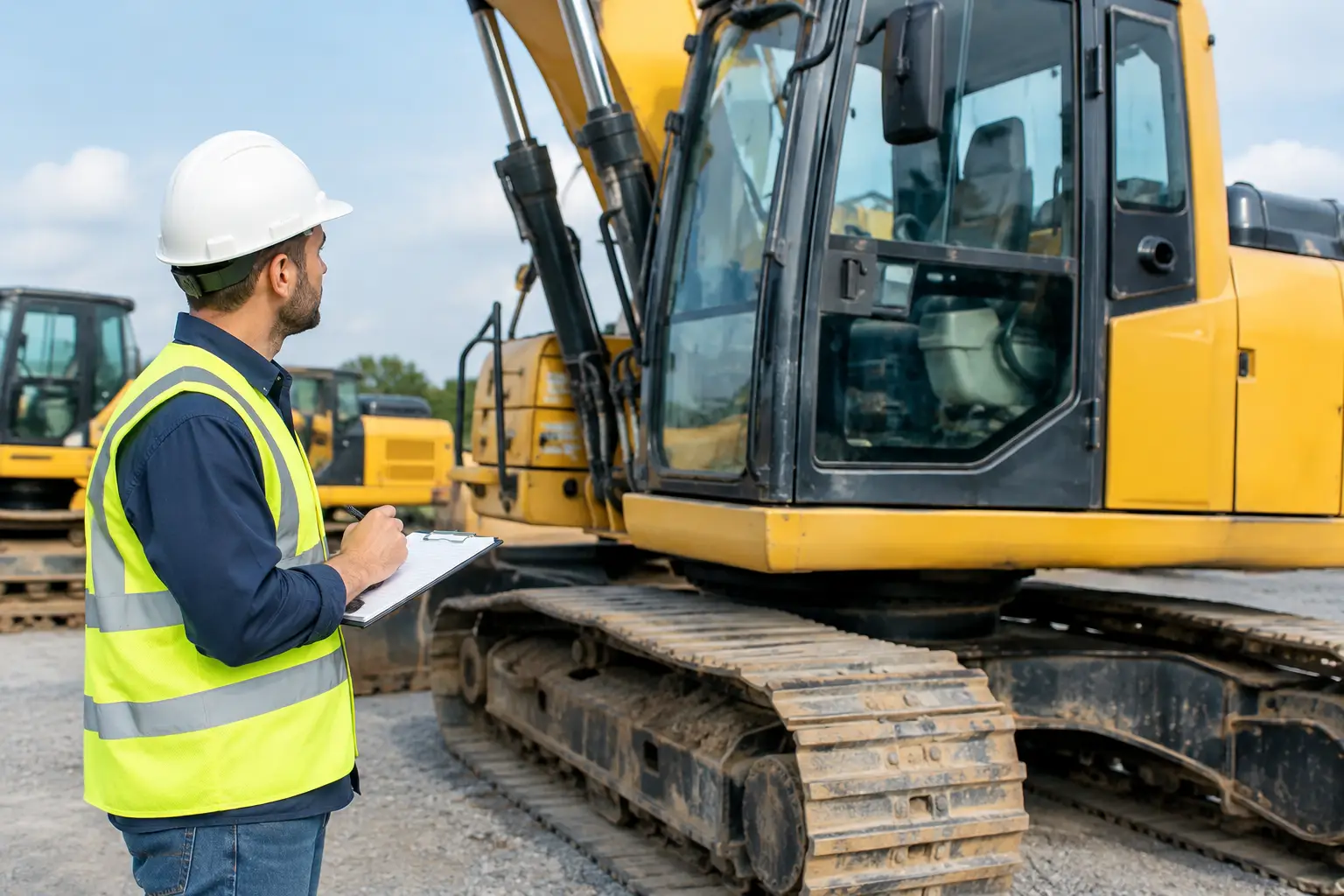
A tractor can look straight in 20 photos and still have a weak hydraulic pump, a tired clutch, or a loader pin that has seen one too many winters. That is why the first question serious bidders ask is: can buyers inspect auction equipment before placing a bid? Usually, yes, but the answer depends on the auction terms, where the machine is located, and whether the seller or auction operator has set an inspection window.
For farm equipment, an inspection is not a courtesy. It is part of doing your homework before you commit. Online bidding makes it easier to reach equipment outside your county, but it does not change the old rule: know what you are buying before the hammer falls.
Can Buyers Inspect Auction Equipment Before Bidding?
Many timed online equipment auctions allow buyers to inspect items before bidding. Some offer a scheduled preview day with set hours. Others require buyers to call ahead and arrange a time with the owner. A few may limit inspection because the equipment is stored at an off-site yard, on a working farm, or at a secured facility.
Read the auction listing and its terms before you bid. Look for the equipment location, preview dates, contact instructions, and any notes about access. If none of that is clear, ask. A seller who has nothing to hide should be able to tell you whether the machine can be viewed and when.
Do not assume that an online auction includes an in-person preview. Likewise, do not assume that a seller must hold the item for you while you decide. Auctions run on deadlines. Get your questions answered and your inspection lined up early, especially if you need to travel or bring a mechanic.
At BarnBridge, equipment auctions are built around direct, practical transactions. The listing details, photos, location, and seller communication matter because buyers need enough information to bid with their eyes open.
What an Inspection Actually Tells You
An inspection cannot guarantee that a used machine will never need repair. It can, however, keep you from bidding on a problem you could have spotted in five minutes.
Start by confirming the basics. Verify the make, model, serial number, hour meter, attachments, and any features mentioned in the listing. Check that the equipment in front of you matches the photos. If the listing says a tractor has four-wheel drive, a loader, dual remotes, and 3,200 hours, verify each point rather than taking it on faith.
Then look past the paint. Fresh paint may be good upkeep, or it may be covering an old repair. Check for welds, cracks, bent metal, fluid leaks, worn bushings, loose pins, damaged hydraulic hoses, and uneven tire wear. On implements, pay attention to areas that meet dirt, crop residue, or heavy load. Coulters, bearings, sweeps, chains, gearboxes, cylinders, and hitch points tell a clearer story than a shiny frame.
If the seller permits it, start the machine cold. A cold start can reveal more than a machine that has already been warmed up before you arrive. Watch for excessive smoke, listen for knocking or hydraulic whine, and let it run long enough to reach operating temperature. Test the transmission through every range, engage the PTO, cycle the hydraulics, check steering response, and operate the brakes.
For larger purchases, bring someone who knows that type of equipment. A good mechanic, experienced operator, or neighbor who has run the same model can be worth far more than the cost of the trip. Their job is not to talk you into buying it. Their job is to help you see what is there.
A Field Checklist for Used Farm Equipment
Walk around the machine before you get in the seat. Then work through the operating systems in a steady order. For most tractors, loaders, skid steers, hay equipment, trailers, and implements, inspect these areas:
- Identification: model, serial number, hour meter, title or ownership documents when applicable, and included attachments.
- Structure: frame rails, drawbars, hitches, loader arms, weld repairs, rust-through, and signs of collision or rollover damage.
- Fluids and leaks: engine oil, coolant, hydraulic oil, axle seals, gearbox oil, and wet spots beneath the machine.
- Wear items: tires, tracks, belts, chains, sprockets, bearings, cutting edges, teeth, discs, and mower blades.
- Operation: cold start, engine sound, gauges, lights, hydraulics, PTO, transmission, brakes, steering, and all controls.
- Hauling needs: overall width, height, weight, tire condition, whether it rolls freely, and whether loading help is available.
Bring a flashlight, clean rag, work gloves, phone charger, and notepad. Take your own photos and short videos, especially of hour meters, serial tags, leaks, and any issue you need to price into your bid. If you are looking at a trailer, carry a tire gauge and check the breakaway system, lights, brakes, floor, ramps, coupler, and axle condition.
If You Cannot Inspect It in Person
Sometimes the machine is three states away, the preview conflicts with feeding time, or the auction closes before you can get there. That does not mean you must bid blind, but it does mean you should lower your risk another way.
Call the seller or auction contact and ask direct questions. Ask when it was last used, what it was used for, what does not work, what repairs have been made, whether it starts and runs today, and why it is being sold. Ask for a cold-start video and a video of the machine operating under the functions that matter most. For a baler, that might mean pickup, belts, and knotters. For a skid steer, it means lift, tilt, auxiliary hydraulics, drive response, and controls.
Request close photos of the serial number, hour meter, tires or tracks, hydraulic cylinders, underside, cab interior, and known damage. A real owner should be able to provide plain answers. Be cautious when answers stay vague, photos avoid the weak side of the machine, or the seller will not confirm where the equipment is located.
You can also hire a local mechanic or equipment inspector. That added cost makes the most sense on higher-dollar equipment, specialty machinery, or a purchase where a major repair would wipe out the apparent bargain. An inspector is not a warranty, but an independent set of eyes can help you bid from facts instead of hope.
Inspection Does Not Change “As-Is, Where-Is” Terms
Most auction equipment is sold as-is, where-is. That means the buyer accepts the equipment in its current condition and is generally responsible for payment, removal, hauling, and repairs after the sale. An inspection gives you information. It does not usually create a return right, guarantee, or promise that every issue has been found.
This is where bidders get into trouble. They inspect a machine, see it run, and assume it is fully field-ready. A machine can run today and still need a clutch, injector work, bearings, tires, or a hydraulic rebuild next month. Price your bid for the condition you can verify and the repair risk you cannot.
Read the auction terms for the buyer premium, sales tax rules, payment deadline, pickup deadline, loading arrangements, and any storage charges for late removal. A low winning bid is not the true cost if hauling is expensive, the machine needs immediate repairs, or the pickup window does not work for your crew.
Set Your Number Before the Bidding Gets Hot
The best time to decide your maximum bid is before the final minutes of an auction. Start with the value of a comparable machine in verified working condition. Then subtract expected repairs, transport, auction fees, taxes where applicable, and a margin for unknowns.
If you could not inspect the equipment, increase that unknowns margin. If you inspected it thoroughly, heard it run cold, tested the important functions, and found only normal wear, you can bid with more confidence. Neither situation calls for wishful thinking.
Write down your all-in limit and stick to it. Timed bidding can make a machine feel like a contest, especially when another bidder keeps moving the price. It is not a contest. It is a purchase that needs to work in your hay field, shop, pasture, or hauling operation.
A good auction buy is not necessarily the cleanest machine or the lowest opening bid. It is the one you inspected as well as you could, priced honestly, and can put to work without unpleasant surprises waiting at the end of the driveway.
See what your machine is worth
Listings are free and livestock sells at 0% commission. Buyers contact you directly.