Cattle Brand Inspections for Direct Cattle Sales
Published October 26, 2026
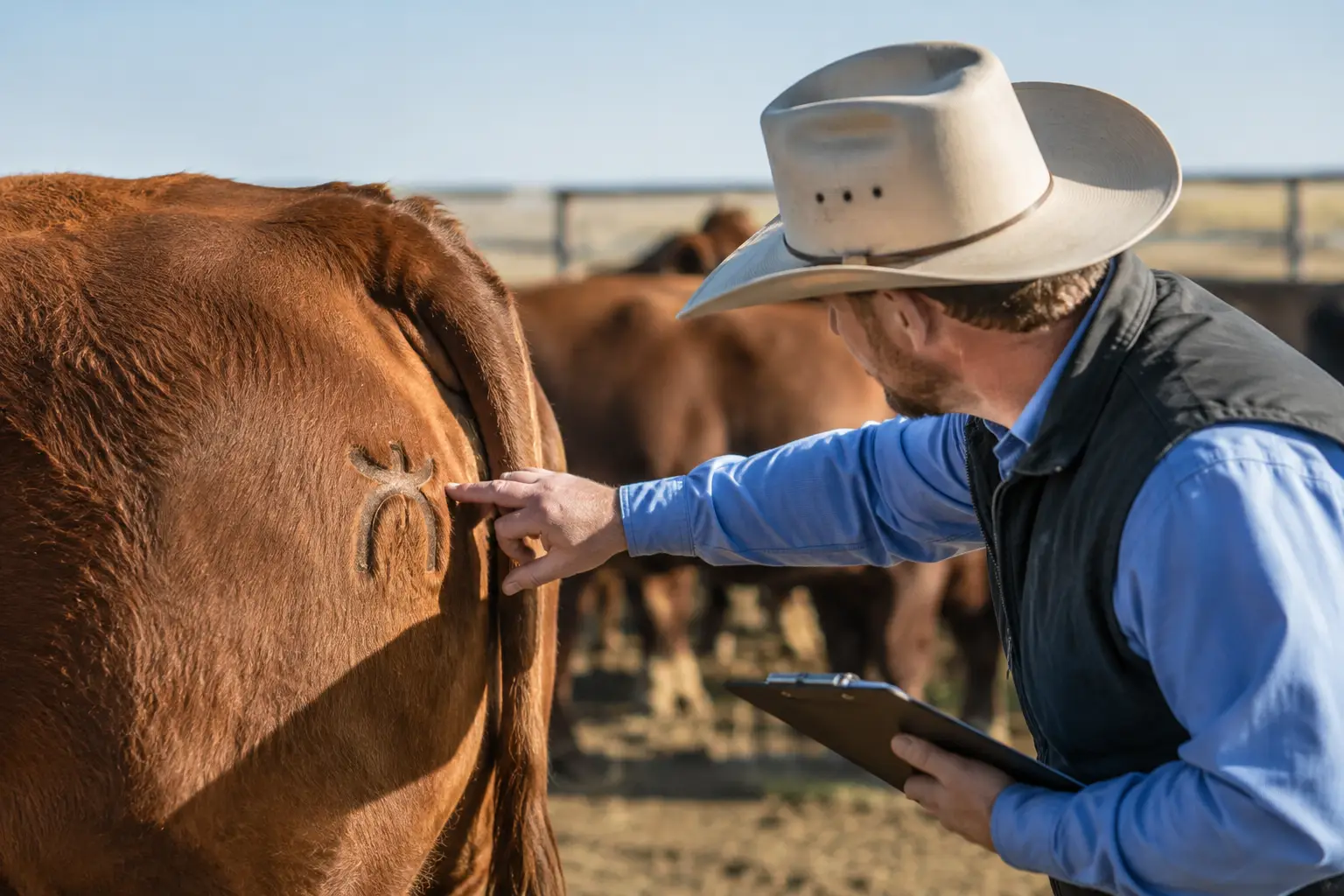
A buyer is hooked up, the cattle are sorted, and the check is ready. Then someone asks for the brand inspection certificate. If your state requires one and it has not been handled, that load may not be going anywhere that day.
Cattle brand inspections are one of those details that can feel routine until they hold up a private sale, a ranch-to-ranch move, or an interstate haul. They exist to establish ownership, deter theft, and create a record before cattle change hands or cross a boundary. For direct sellers, the practical lesson is simple: know the rules before you advertise cattle as ready to load.
What a Brand Inspection Actually Does
A brand inspection is an official examination of livestock by an authorized state or local inspector. The inspector checks visible brands, compares them with brand records where applicable, and reviews ownership or movement paperwork. When the requirements are met, the inspector issues a certificate or clearance document.
The details vary by state, but the purpose stays fairly consistent. A brand inspection helps show that the person selling or moving the cattle has the right to do so. It can also document where the cattle originated, where they are headed, the number of head involved, and identifying marks or brands.
A brand inspection is not the same thing as a health certificate, a veterinary certificate of inspection, a brand registration, or a bill of sale. A clean health paper does not prove ownership. A registered brand does not automatically authorize every sale or shipment. And a handwritten bill of sale may be useful evidence, but it may not replace an official inspection certificate where one is required.
That distinction matters most in private treaty sales. At a sale barn, staff often manage much of the paperwork flow. In an owner-to-owner deal, the seller and buyer need to decide up front who is arranging inspection, when it will happen, and what documents must travel with the cattle.
When Cattle Brand Inspections May Be Required
There is no single nationwide rule for cattle brand inspections. Requirements are set by state law and, in some places, by districts, counties, or the destination involved. Brand inspection programs are especially common in western states, where brands remain a major part of livestock identification and ownership records.
Depending on the state, an inspection may be required when cattle are sold, when they leave a designated inspection area, when they cross a state line, when they go to slaughter, or when ownership changes. Some rules apply only to cattle bearing a visible brand. Others apply to all cattle moving under certain circumstances.
Do not assume an unbranded calf is exempt, or that a local move means no paperwork is needed. Likewise, do not assume cattle purchased in one state can be hauled home based solely on the seller's word and a paid invoice. The origin state, destination state, route, purpose of movement, and whether the cattle are branded can all affect the answer.
The practical move is to verify the rule before money changes hands. Call the relevant state brand inspection office, livestock board, department of agriculture, or local inspector. Ask about the exact trip: private sale, number of cattle, pickup location, destination, and whether the cattle will cross state lines. Get clear on whether an inspection is required, how long the certificate is valid, and whether the document must accompany the load.
Interstate Moves Usually Need More Than One Check
Crossing a state line can bring brand, animal-health, entry-permit, and identification requirements together. A brand inspection certificate may be required by the origin state but not replace the destination state's health or import requirements. A certificate of veterinary inspection may be needed for the receiving state but not satisfy a brand inspector.
Haulers should have the full packet before the truck leaves: inspection certificate if required, bill of sale, health papers if required, any entry permit information, and contact details for buyer and seller. Keep paper copies in the truck even if records are also stored on a phone. Cell service gets thin in the same country where cattle and trailers tend to be moving.
What Sellers Should Have Ready
A smooth inspection starts before the inspector pulls in. Cattle need to be accessible and safely gathered where brands can be seen. If cattle are scattered across rough country or mixed in with another owner's herd, the appointment can turn into an expensive, time-consuming mess.
Have the cattle count, sex and class, brand locations, and destination information ready. If the cattle came from more than one source, say so. If a brand is hard to read because of winter hair, mud, scars, or age, do not try to guess it into a neat answer. Tell the inspector what you know and let them make the call.
The seller should also be prepared to show ownership records. Those may include a prior bill of sale, brand card or registration information, purchase records, registration papers for purebred cattle, lien-release documentation, or other records requested by the inspecting authority. What is accepted depends on the jurisdiction and situation.
For a direct sale, write a complete bill of sale even when the state does not require one. Include the seller's and buyer's names, addresses, phone numbers, sale date, number and description of cattle, price, known brands or marks, pickup location, destination if known, and signatures. If cattle are sold as bred, exposed, open, or with calf at side, put that in writing too. A bill of sale will not cure a missing brand inspection, but it gives both sides a clear transaction record.
Set the Terms Before You List the Cattle
The best time to discuss inspection costs and timing is before a buyer drives two counties over with a trailer. Your listing and direct messages should state whether cattle are branded, whether a brand inspection is expected or required for the proposed move, and who will pay the inspection fee.
There is no one right answer on who pays. A seller may cover it to make the cattle ready for a broad market. A buyer may pay when the certificate is tied to the buyer's destination or export plans. Sometimes the parties split the cost. What matters is putting the agreement in plain terms before pickup.
Also set a pickup window that accounts for the inspector's schedule. In many rural areas, an inspector may cover a large territory, work limited days, or need advance notice. Do not advertise same-day loading unless you know the paperwork can actually be completed that way.
On BarnBridge or any direct marketplace, real photos of both sides of branded cattle can help serious buyers ask better questions. Photos are not a substitute for inspection, and they should never be treated as proof of title. They do, however, prevent surprises when a buyer sees a shoulder brand, rib brand, or old freeze mark at the loading chute.
Common Problems That Delay a Load
Most inspection trouble is not complicated. It is poor timing, mixed records, or assumptions made by someone who has not checked the rules.
The seller may have a brand registered years ago but no current paperwork in hand. The cattle may carry an old brand from a prior owner, creating questions that need records to answer. A buyer may arrange a commercial hauler before confirming whether the certificate must name the destination. Or the parties may treat a brand certificate as if it covers animal-health requirements too.
Another problem is changing the deal after the inspection. If the head count, destination, buyer, or load date changes, ask whether the certificate remains valid. Do not alter documents yourself or assume a certificate can be reused for another load. The issuing office can tell you whether an amendment, reinspection, or new certificate is needed.
If an inspector finds an ownership question, keep the conversation factual. Produce records, identify prior sellers if necessary, and let the process work. Trying to rush a disputed animal onto a trailer is the fastest way to turn a routine sale into a bigger problem.
A Better Way to Handle Direct Sales
For sellers, brand inspection planning is part of presenting cattle honestly. For buyers, it is part of due diligence, right alongside looking at body condition, teeth, vaccination history, pregnancy status, and disposition. Neither side should be embarrassed to ask about it.
Before setting the pickup date, confirm the state requirements, gather the cattle and records, decide who pays the fee, and make sure the hauler carries every required document. That little bit of planning protects the sale, protects the cattle owner, and lets the truck leave the gate without a last-minute argument at the chute.
Got stock to sell?
Listings are free and livestock sells at 0% commission. Buyers contact you directly.