Cattle Marketing Trends That Matter in 2026
Published October 28, 2026
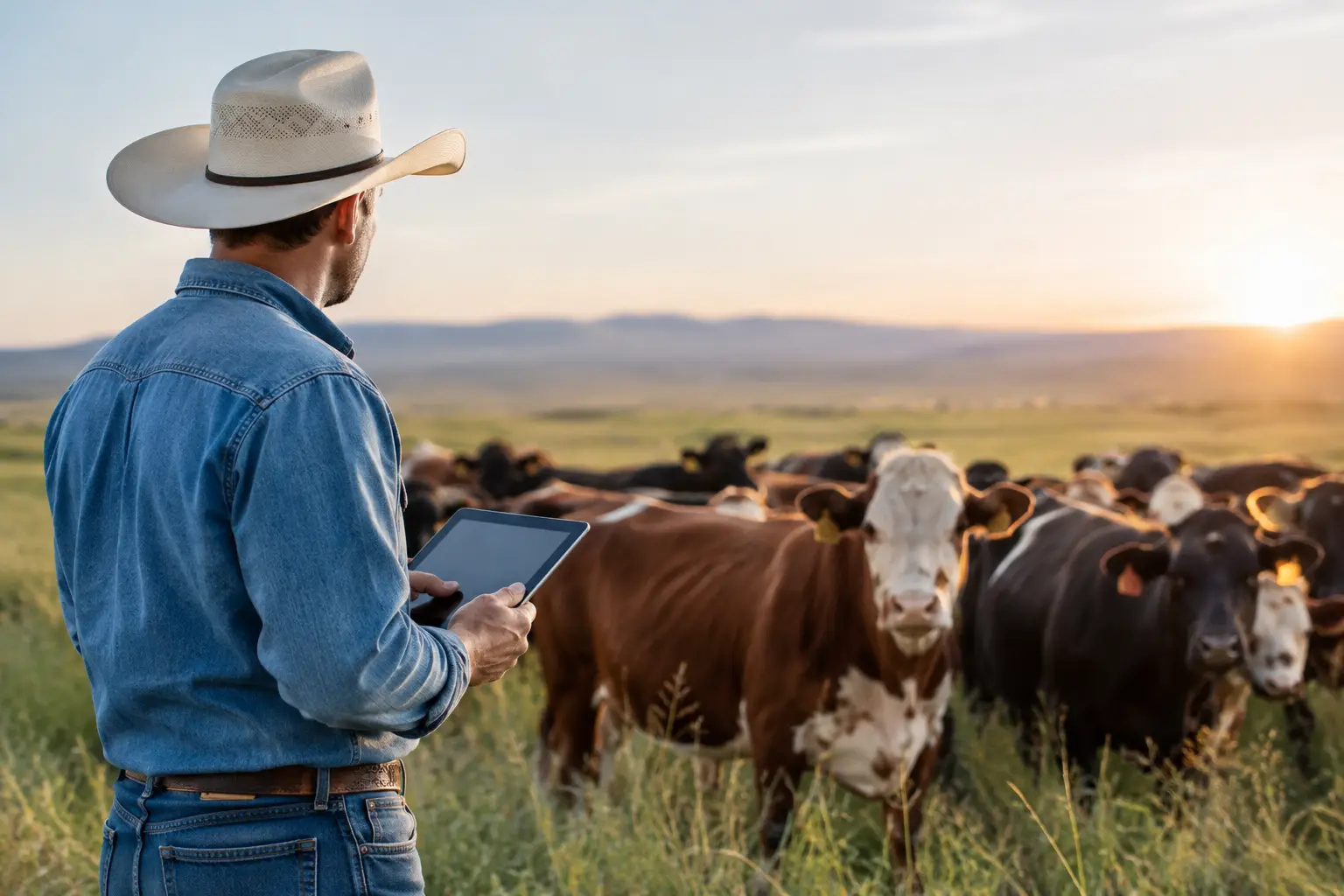
A good set of calves can still bring a crowd at the local sale barn. That has not changed. What has changed is how many buyers can see those calves before sale day, what they expect to know about them, and how quickly they can compare them with cattle hundreds of miles away. Cattle marketing trends are giving producers more ways to reach buyers, but they are also putting more value on straight information, good timing, and a sale plan that fits the operation.
For some ranches, the right answer is still to load the trailer and sell through the local barn. For others, a direct private-treaty sale, a video auction, or an online owner-to-owner listing can bring a better fit for the cattle and the buyer. The best channel depends on lot size, uniformity, location, cash-flow needs, and how much work a seller is willing to do before the cattle leave the farm.
Cattle marketing trends are rewarding better information
Buyers have always wanted to know what they are buying. Digital marketing has simply made vague descriptions less acceptable. A buyer looking at a group from three states away cannot walk the pens before making a call. They need enough detail to decide whether the trip, trucking cost, and time are worth it.
That makes accurate weights, current photos, short video, vaccination history, weaning status, frame and flesh description, and clear pickup information more valuable than ever. A listing that says “nice calves” may get attention locally. A listing that explains the cattle were weaned 45 days, vaccinated on specific dates, bunk broke, and weighed within the past week gives a serious buyer something to work with.
The same rule applies to bred cattle and pairs. State the exposure dates, breeding method, pregnancy-check date, expected calving window, and any available health records. If an animal has a flaw, say so. Honest disclosure does not hurt a sound deal. It keeps the wrong buyer from showing up and turns away the argument that starts after the trailer is loaded.
Real photos matter, too. Use daylight, take pictures from both sides, show the cattle standing on level ground when possible, and include a group shot that reflects the actual lot. Do not reuse old green-grass photos for cattle that have changed condition. Buyers notice.
Direct sales are expanding the buyer pool
Private-treaty cattle sales are not new. Ranchers have traded cattle by phone, handshake, and repeat relationship for generations. The difference now is reach. A producer in one county can put cattle in front of buyers searching by state, breed, class, or distance without relying only on who happens to be at the barn that week.
That wider reach can help specialty cattle especially. Registered stock, bred heifers with documented genetics, gentle family milk cows, grass-finished feeder prospects, and smaller groups that do not fit a large commercial auction load may have a stronger audience beyond the immediate area. The buyer for that kind of cattle may not be standing at the local ring on a Tuesday.
There is a trade-off. Direct marketing asks more of the seller. You handle calls, answer questions, coordinate viewing, discuss payment, and make hauling arrangements. It is not hands-off. But for producers who know their cattle and are willing to represent them plainly, direct selling can preserve more control over price and terms.
BarnBridge fits that owner-to-owner model by allowing livestock sellers to list at a fixed price with 0% livestock commission. The deal is still between buyer and seller, as it ought to be. Buyers inspect, sellers disclose, and both sides settle payment and hauling on terms they understand.
Local market knowledge still sets the floor
A national audience does not replace local knowledge. Freight costs, weather, forage conditions, regional demand, and the number of comparable cattle moving nearby all affect what a buyer can justify paying. A buyer may like your cattle but still pass if trucking adds too much to the landed cost.
This is why current market data matters, but it should not be treated as a guaranteed value. Sale reports and average prices are reference points. They do not account for every difference in weight, sex, condition, health program, lot size, breed type, shrink, or delivery date.
Use market information to set a realistic asking range, then compare your cattle honestly against what those numbers represent. A uniform load of weaned, vaccinated steers is not priced like a mixed pen of freshly weaned calves. A bred cow with records and a defined calving window is not priced like an open cow with an uncertain history.
Producers who market well know their break-even, but they also know when holding cattle becomes a gamble. Extra pounds can add value when grass is available and the market supports them. They can also become expensive pounds when feed costs rise, weather turns dry, or cattle lose condition. There is no universal rule to sell early or hold longer. The decision has to match the ranch’s feed, labor, risk tolerance, and cash needs.
Buyers are looking harder at total delivered cost
The asking price is only part of the deal. More buyers are calculating what cattle will cost after trucking, commissions, health work, death loss risk, financing, and the time required to assemble a load. Sellers who make logistics easier can stand out without cutting the price.
Be specific about location. Name the nearest town or provide a clear county and state. Say whether there is room for a semi, whether cattle can be loaded at daylight, and whether loading help is available. If cattle must be picked up by a certain date, put it in the listing instead of bringing it up after a buyer commits.
Lot size matters as well. A feedyard buyer may need a load, while a smaller operator may be looking for ten replacement heifers. If you have several groups, describe whether they can be combined, sorted, or sold separately. Flexibility can broaden interest, but do not promise sorting that will leave you with the cattle nobody wanted.
Verification is becoming part of the sale
As more cattle are marketed through phones and online listings, trust has become a working part of the transaction. Serious buyers are asking for more photos, a live video walk-through, health records, brand inspection details where required, and a direct conversation with the owner. That is reasonable.
Sellers should be equally careful. Confirm who they are dealing with before sharing sensitive information or accepting a payment arrangement. Be wary of overpayments, third-party pickup stories that do not add up, and anyone who refuses a direct call or basic questions about the cattle. A legitimate buyer may negotiate hard. That is different from a buyer who will not identify themselves or explain how they plan to pay and haul.
Put the basic agreement in writing, even if it is a simple text or bill of sale. Identify the cattle, head count, price, deposit if any, pickup deadline, and who is responsible for transportation. Keep required health papers, brand documents, and state movement paperwork in order. Sold as-is, where-is does not mean sold with no description. It means both parties should know the terms before the cattle move.
A better listing does not have to be fancy
The strongest cattle listings are usually plain, complete, and easy to verify. Before posting, make sure a buyer can answer four practical questions:
- What exactly is for sale, including head count, sex, breed type, weight range, and condition?
- What work has been done, including vaccinations, weaning, pregnancy checks, and feeding program?
- Where are the cattle, and what are the loading and pickup conditions?
- What are the price, sale terms, and any deadline for making a decision or picking up?
That level of detail saves time for everyone. It cuts down on tire-kickers, reduces surprises at the chute, and gives legitimate buyers confidence to make the next call.
The cattle market will keep changing with weather, feed costs, consumer demand, and the number of cattle available. The practical trend is not that every ranch needs to sell cattle the same way. It is that producers have more tools to choose from, and the ones who use them well will be the ones who show their cattle honestly, price them with local reality in mind, and make it easy for the right buyer to say yes.
Got stock to sell?
Listings are free and livestock sells at 0% commission. Buyers contact you directly.