A Practical Guide to Selling Sheep Direct
Published October 19, 2026
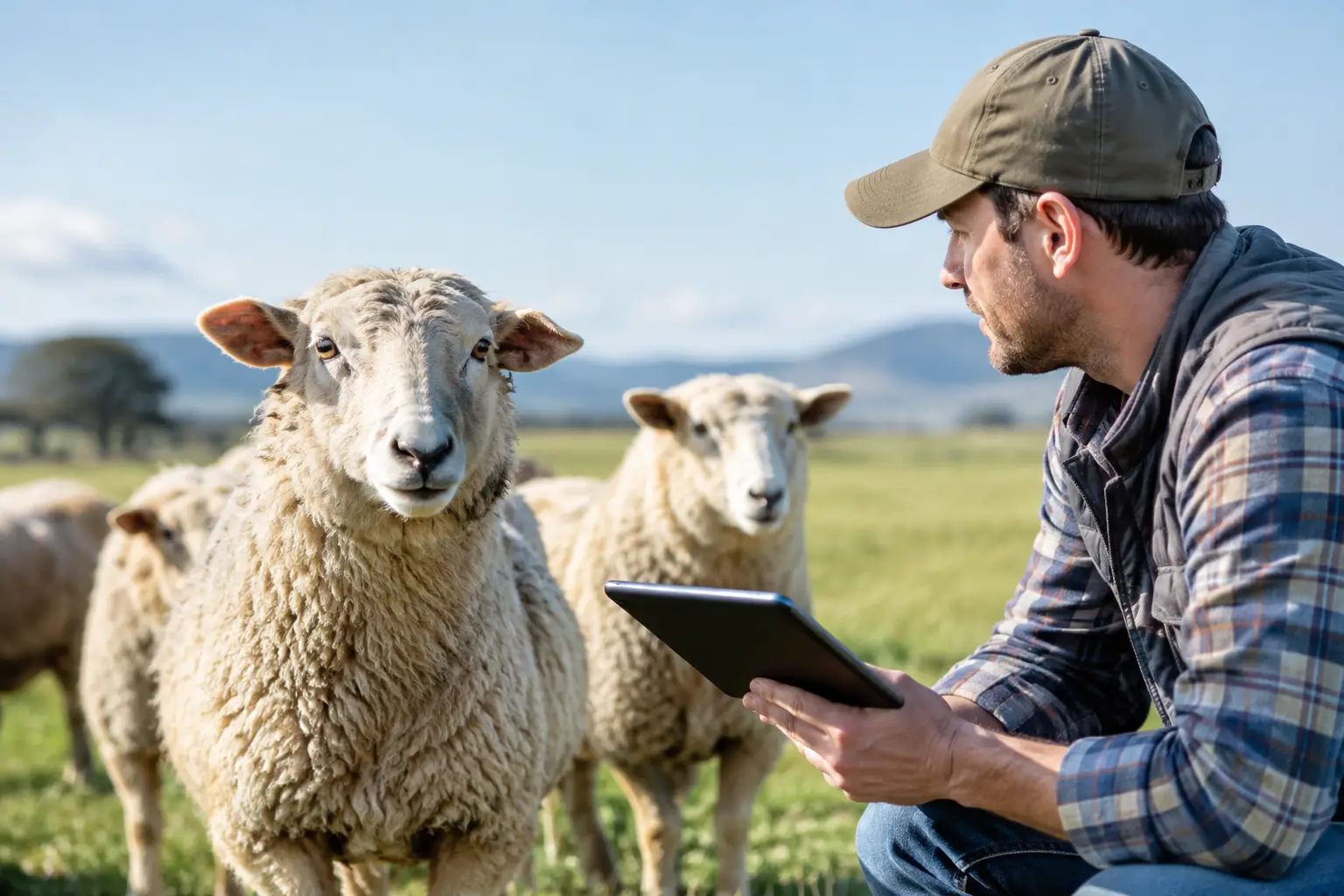
A good set of sheep can lose value fast when the listing leaves buyers guessing. If they cannot tell the age, weight, health status, purpose, or pickup terms, serious buyers move on and tire-kickers fill the inbox. This guide to selling sheep is built for direct farm sales where clear information, real photos, and a straightforward deal matter more than fancy sales language.
Private treaty selling gives you control over price, timing, and who takes home your animals. It can also bring a wider buyer pool than a local sale barn. The trade-off is that you are responsible for presenting the sheep accurately, answering questions, screening buyers, and setting firm terms before a trailer arrives.
Guide to Selling Sheep: Choose the Right Sale Route
Start by deciding what you are selling and who is most likely to want it. Commercial ewes, feeder lambs, breeding stock, registered seedstock, hair sheep, dairy sheep, and market lamb projects do not bring the same buyer or the same kind of questions. A buyer looking for freezer lambs may care most about live weight, finishing condition, and processing dates. A breeder will care about pedigree, lambing history, parasite resistance, udder quality, feet, disposition, and flock health.
A local auction can make sense when you need sheep moved quickly, have mixed lots, or do not have time to handle individual calls. You give up some control over the final price, and the animals may be sold alongside a broad range of quality. Direct owner-to-owner selling generally fits better when you have uniform groups, quality breeding animals, or sheep with a trait that deserves explanation.
Selling by the head is simple for breeding animals and small groups. Selling by the pound may be more appropriate for feeder lambs or slaughter sheep, but be specific about whether the price is based on estimated weight, certified scale weight, or a set live-weight range. Do not leave that point open for debate in the loading chute.
Get the Sheep Ready Before You List Them
Buyers expect livestock to be presented honestly, not dressed up. That means sorting sheep into lots that make sense and describing them as they stand. A group of six similar open ewes is easier to price and market than a pen containing mixed ages, body conditions, and unknown breeding status.
Sort for a purpose
Make each lot easy to understand. Separate replacement-quality ewe lambs from cull ewes. Keep feeder lambs reasonably uniform by size and sex when possible. If rams are included, identify whether they are intact, whether they have been used, and whether they are being sold for breeding or market purposes.
Look over every sheep before taking photos. Check feet, eyes, body condition, teeth on older animals, udders on mature ewes, and any visible injury or defect. If an animal is limping, has a bad bag, is thin, has a known prolapse history, or is being sold as a cull, say so plainly. A disclosed fault may narrow the buyer pool, but a hidden fault can sour the entire transaction.
Have health information in hand
Keep treatment and flock records nearby before the listing goes live. Buyers may ask about vaccinations, deworming, recent medications, withdrawal times, CL, OPP, Johne's testing, foot rot history, and whether animals have been exposed to abortion-causing diseases. Answer what you know and do not guess at what you do not.
Every sheep should have required official identification where applicable, including Scrapie tags or other accepted identification. Requirements for interstate movement, certificates of veterinary inspection, testing, brand inspection, and entry permits vary by state and by the type of sheep being moved. The buyer and seller should confirm the rules before money changes hands, especially when sheep are crossing state lines.
Price Sheep From the Market Back to Your Flock
The strongest asking price is one you can explain without talking in circles. Start with current local and regional market value for sheep of the same class, then adjust for the things that make your group more or less desirable. Weight, age, sex, breed, uniformity, condition, pregnancy status, registration, health documentation, and the time of year all matter.
A bred ewe with a confirmed due window and a clean production record is not priced like an open commercial ewe. A set of weaned lambs that are even, healthy, and ready to grow may bring more than a mixed pen of fresh, unweaned lambs. Registered stock can command a premium, but papers alone do not create one. Buyers still look at structure, fleece or hair coat quality, feet, maternal history, and the reputation behind the flock.
Set an asking price with room for a reasonable conversation, not a fantasy number that keeps the sheep on feed for another season. If you will consider an offer, say so. If the price is firm, say that too. A clear price saves time for everyone.
For groups, state whether the buyer must take the whole lot. If you are willing to split the group, list the minimum number you will sell and whether the per-head price changes. Small details like this prevent a buyer from driving two hours expecting to pick out one ewe from a pen you intended to sell as a package.
Build a Listing That Answers Real Questions
Your listing should let a serious buyer decide whether it is worth calling. Use recent, well-lit photos taken in a clean pen, pasture, or working alley. Take side views of representative animals, a group shot that shows uniformity, and close photos of tags, teeth, udders, or paperwork when those details matter. Avoid photos that are heavily filtered, taken from too far away, or old enough that the sheep no longer look the same.
Start the description with the basics: number of head, breed or cross, sex, age or birth dates, average or individual weights, location, and asking price. Then add the information that gives the lot value. For example, say whether lambs are weaned and on feed, whether ewes are exposed or confirmed bred, the ram they were bred to, expected lambing dates, and what health work has been done.
Be precise with terms. Do not call ewes bred unless they have been pregnancy checked or you clearly state that they were exposed to a ram. Do not call sheep registered if only some are eligible for registration. Do not call a group parasite resistant simply because it has been dewormed recently. Straight talk attracts buyers who know livestock and helps them trust the rest of the listing.
A nationwide marketplace such as BarnBridge can expand your reach beyond the usual coffee-shop network while keeping the deal owner-to-owner. The same rule applies whether the buyer is ten miles away or two states over: post real photos, state the facts, and make pickup expectations clear.
Screen Buyers Without Running Off Good Ones
Most legitimate buyers appreciate direct questions because they are trying to avoid wasted trips too. Ask where the sheep are going, whether the buyer has suitable fencing and facilities, when they can pick up, and whether they understand the stated terms. For breeding stock, it is reasonable to ask about their flock goals and whether they have handled the breed before.
Confirm payment before loading. Cash, verified bank transfer, or another method both parties understand can work, but do not rely on screenshots, vague promises, or a buyer who says they will settle up after they get home. If a buyer wants you to hold sheep, take a nonrefundable deposit only after both sides agree in writing on the price, head count, pickup deadline, and what happens if the buyer fails to show.
Be careful with anyone who will not speak by phone, offers more than the asking price without asking a livestock question, or wants a third party to handle payment and pickup with a complicated story attached. Rural sellers know a deal can be simple. If it becomes unnecessarily complicated, step back.
Set Pickup, Paperwork, and Loading Terms Early
Put the practical details in writing, even for a handshake-style sale. State the sale date, number of head, price, payment method, tag numbers if needed, and any health documents provided. A basic bill of sale protects both sides by recording what changed hands and when.
Make it clear that sheep are sold as-is, where-is unless you have agreed otherwise. The buyer should inspect the animals before loading. Once the trailer gate closes, disputes about body condition, size, or a visible defect are much harder to settle fairly.
Discuss loading before pickup day. Tell the buyer what kind of trailer access you have, whether you can load from a chute or alley, and whether they need panels, a catch pen, or help. Ask them to bring a trailer that is safe, bedded if needed, and appropriate for the number of sheep purchased. Overcrowding a trailer is not a shortcut.
If weather is hot, avoid loading during the worst part of the day. If lambs are very young, freshly weaned, heavily pregnant, or under stress, think carefully about whether the pickup date makes sense. The fastest sale is not always the best sale if it puts the animals at risk.
Avoid the Mistakes That Cost the Most
The common mistakes are not complicated: using old photos, failing to disclose problems, listing sheep without weights or ages, taking unclear deposits, and letting a buyer assume terms you never agreed to. Another costly mistake is holding animals too long for a buyer who will not commit. Feed, labor, and missed opportunities add up.
A clean deal starts with a truthful listing and ends with both parties knowing exactly what was bought, paid for, and loaded. Sell the sheep you actually have, price them for the market you are in, and give good buyers enough information to make a confident decision. That is how direct livestock sales stay fair, repeatable, and worth doing again.
Got stock to sell?
Listings are free and livestock sells at 0% commission. Buyers contact you directly.