How to Avoid Livestock Scams Before You Buy
Published October 4, 2026
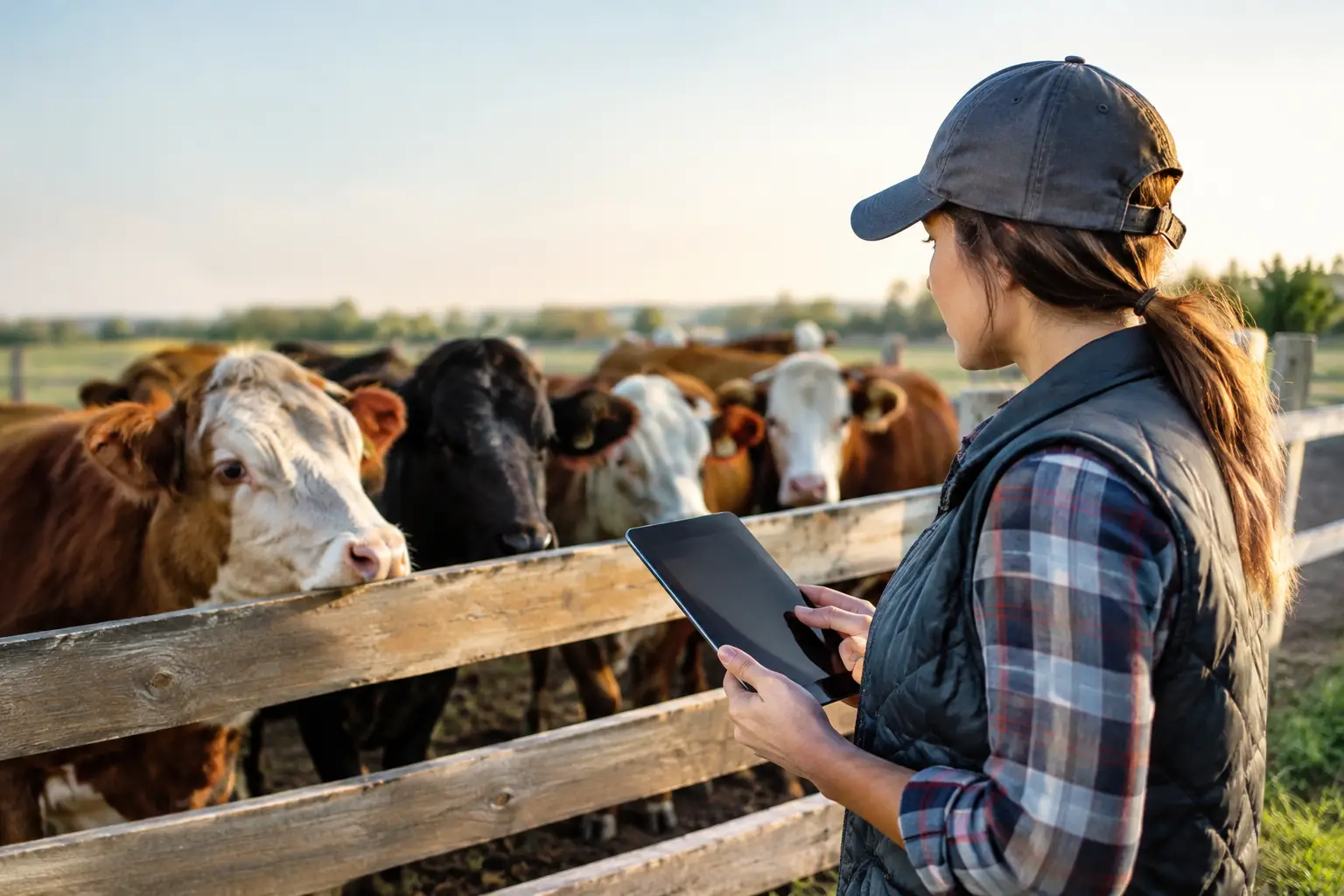
A good-looking set of cattle in a handful of photos can be worth a phone call. It is not worth wiring money sight unseen. Knowing how to avoid livestock scams comes down to slowing the deal down long enough to verify the animals, the seller, and the terms before money changes hands.
Most livestock buyers are not new to hard work or private treaty deals. The problem is that a scammer can borrow real photos, copy a legitimate ranch name, and offer cattle, horses, goats, or bred stock at a price that creates urgency. They are counting on a buyer being afraid to miss the deal. A legitimate seller should be able to answer plain questions, provide current information, and give you a reasonable way to inspect what you are buying.
How to Avoid Livestock Scams: Verify the Animal First
Start with the livestock, not the asking price. Ask when the photos and videos were taken, then request current, unedited video showing the animals from several angles. For cattle, ask to see the whole group moving through a pen or walking away and back. A close-up of one clean, quiet animal does not tell you much about the rest of the lot.
Request details that a real owner should know without much trouble: age, breed or cross, sex, approximate weight, health history, vaccination program, breeding dates, calving history, disposition, and why the animals are being sold. If they are bred, ask how pregnancy was confirmed and when. If they are registered, ask for the registration numbers and confirm that the paperwork matches the animals.
For branded cattle, ask for a clear photo of the brand and the brand inspection paperwork where that applies. For horses, request a current video that shows the horse being caught, handled, walked, and loaded if hauling is part of the arrangement. With goats, sheep, hogs, and poultry, ask about herd or flock health, disease testing, biosecurity practices, and recent losses.
A seller does not need to have every answer memorized. But vague answers, changing stories, and excuses for why current photos are impossible should make you step back. Weather, chores, and poor cell service are real. So is the ability to take a 30-second video with a phone when a buyer is serious.
Look for Photos That Belong to the Seller
Reverse-image searching photos can uncover listings copied from sale barns, breed associations, ranch websites, or old social media posts. Search the seller's name, phone number, business name, and the exact wording from the ad. It takes only a few minutes and can reveal whether the same cattle are supposedly for sale in three states at once.
Also watch for details that do not fit. Green grass and summer coats do not match a listing posted during a hard northern winter. Ear tags change from photo to photo. The ranch location is different each time you ask. The seller claims the animals are on one farm, but asks you to send a deposit to someone in another state. Any one item may have an explanation. Several together are a reason to walk away.
Confirm You Are Dealing With the Actual Owner
A real phone conversation is one of the best filters available. Call the number instead of relying only on messages. Ask practical questions about the property, the herd, nearby towns, feeding arrangements, and loading facilities. A livestock owner can usually talk through the daily details of the animals without reading from a script.
If possible, visit the farm or ranch before committing. Inspect the livestock in person, verify ear tags or brands, and look at the working facilities. Bring someone experienced if you are buying a class of livestock you do not know well. The cost of fuel, a hotel room, or a local veterinarian's pre-purchase exam is small compared with buying a load of animals that do not exist or are not as represented.
Distance does not always allow an in-person visit. In that case, arrange a live video call and ask the seller to show something specific in real time: the current date written on a piece of paper, a particular ear tag, the lane to the loading chute, or the animals being counted. A recorded video is useful. A live call is harder to fake.
If you are using a marketplace such as BarnBridge, keep the first conversations tied to the listing and deal directly with the owner. Do not let someone steer you to an unrelated email address, a different phone number, or a payment page that has nothing to do with the transaction you discussed.
Treat a Too-Good Price as a Question, Not a Windfall
Every producer has found a seller who needs cattle moved quickly. Estate situations, drought liquidation, pasture leases ending, and changes in operation happen. A low price alone does not prove fraud.
It does mean you should ask why the price is below the local market. Compare the asking price with current values for the class, weight, condition, and location of the livestock. A set of thin, unweaned calves with a long haul may be priced differently than weaned, vaccinated calves ready for grass. A bred cow's value depends on age, mouth, condition, pregnancy stage, genetics, and her current market.
Scammers use low prices to make buyers hurry. They may say another buyer is on the way, insist that a deposit must be sent in the next hour, or claim the animals will be shipped immediately after payment. Honest sellers may have other interested buyers too, but they will not object to basic verification.
Use Payment Terms That Match the Deal
The safest payment method depends on the size of the purchase, distance, and whether you can inspect before pickup. The basic rule is simple: do not send irreversible money to an unverified seller.
Wire transfers, cryptocurrency, gift cards, and person-to-person payment apps offer little practical recovery once funds are sent. A scammer prefers them for that reason. Be especially wary when the payment account name does not match the seller's name or the name on the bill of sale.
For an in-person purchase, many buyers and sellers use cash, a verified cashier's check, or a bank-to-bank transaction completed while both parties are present. For larger transactions, an escrow arrangement through a reputable, independently verified service may make sense. Confirm the service yourself. Do not use an escrow link provided only by the seller.
Deposits are common in livestock sales, particularly when a seller is holding animals until a scheduled pickup. If a deposit is necessary, put the terms in writing before it is paid. State the animal count, identification, price, pickup deadline, whether the deposit is refundable, and what happens if the livestock fail inspection or are materially different from the listing. A small, documented hold deposit after verification is not the same as paying the full purchase price to reserve animals you have never seen.
Put the Details on a Bill of Sale
A handshake still matters in rural business. So does a clear written record. Before loading, prepare a bill of sale that identifies both parties, lists the number and type of animals, includes individual tag numbers or brands when available, states the price and payment method, and notes the sale date and location.
The document should also cover any health papers, registration transfers, brand inspection documents, or testing records that are part of the deal. State whether livestock are sold as-is and where-is, while making sure that description does not replace honest disclosure. If the seller represented cows as bred, vaccinated calves as weaned, or a horse as sound for a stated use, write those material representations down.
Requirements vary by state and by species. Check the rules for interstate movement, certificates of veterinary inspection, brand inspections, official identification, testing, and import permits before the truck leaves. Do not assume the hauler will handle it. The buyer, seller, and transporter should all know who is responsible for paperwork and when it must be in hand.
Keep Hauling Separate From the Sale Until It Is Verified
Hauling scams often travel alongside livestock scams. A fake seller may recommend a "trusted" transporter who asks for advance payment, then neither the truck nor the cattle show up. In another version, a fake hauler takes a deposit from a seller and claims a buyer is waiting.
Hire your own hauler when possible, or independently verify any transporter. Speak to them by phone, confirm their equipment and route, and make sure they know the pickup address and the livestock count. Never rely on a screenshot of a trucking license, insurance card, or text message as proof that a hauler is legitimate.
At loading, count animals and match tags, brands, or descriptions to the bill of sale. Take your own photos and videos. Confirm who carries the risk once the trailer gate shuts, especially if weather, long distance, or multiple stops are involved. Clear terms prevent honest disagreements as well as fraud.
Red Flags That Should End the Conversation
Walk away when the seller refuses a call, will not provide current photos, pushes for a wire transfer, or will not let you inspect livestock or arrange an independent inspection. Stop if the name on the payment account does not match the seller, the location keeps changing, or the price has no believable explanation.
There will be another set of cattle, another broodmare, and another group of bred does. There is no shortage of animals worth buying. The best deal is one you can inspect, document, load, and take home with confidence.
Got stock to sell?
Listings are free and livestock sells at 0% commission. Buyers contact you directly.