Livestock Bill of Sale Template for Private Sales
Published October 1, 2026
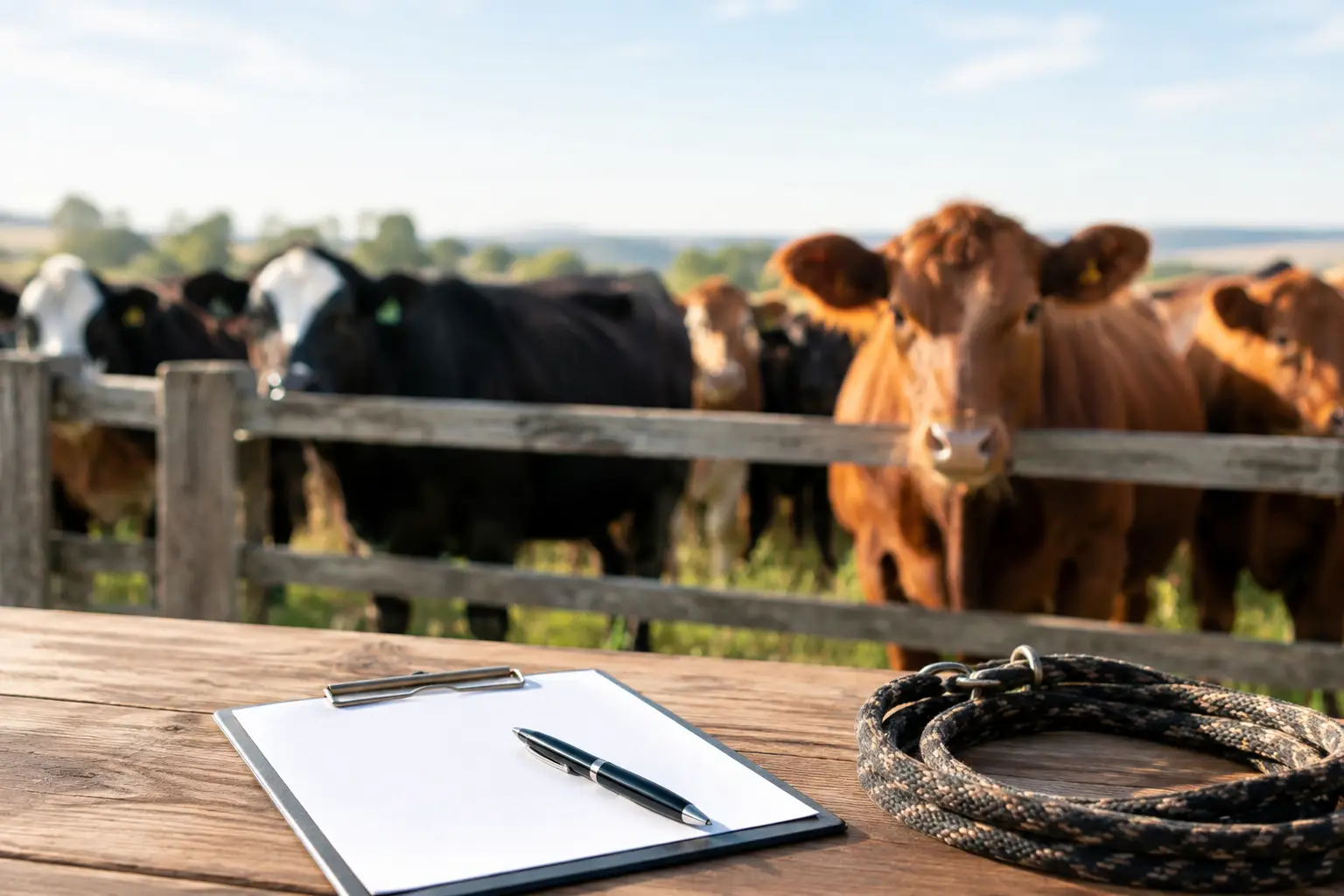
A handshake still means something in farm country. But when cattle, horses, goats, sheep, hogs, or breeding stock change hands, a written record keeps a good deal from turning into a bad memory. A livestock bill of sale template gives the buyer and seller one clear record of what was sold, what was paid, and when responsibility changed hands.
That matters whether you are selling two bred does to a neighbor or a load of commercial cows to a buyer three states away. Private treaty livestock sales move fast, and details can get lost between a phone call, a trailer appointment, and a payment at the gate. Put the terms in writing before the livestock leaves the place.
What a Livestock Bill of Sale Does
A bill of sale is a receipt and ownership record for a private transaction. It identifies the parties, describes the animals, states the purchase price, and confirms that the seller transferred their interest in the livestock to the buyer.
It does not replace every document that may be required for a livestock transaction. Depending on the species, state, destination, and type of animal, you may also need a brand inspection, certificate of veterinary inspection, negative test record, registration transfer, health papers, movement permit, or import paperwork. Cattle crossing a brand-inspection state, for example, can require more than a signed receipt. Registered livestock may also need breed-association transfer forms.
Still, the bill of sale is the basic paper both sides should keep. It helps settle simple but common questions: Which animals were included? Was the price per head or by the pound? Did the buyer pay a deposit? Who was responsible for loading and hauling? Did ownership pass when funds cleared or when the trailer pulled out?
When You Need One
Use a written bill of sale for nearly every direct livestock sale. It is especially useful when the deal involves breeding animals, registered stock, a deposit, delayed pickup, installment payments, livestock sold with calves at side, or animals hauled across state lines.
It is also smart when selling through an online marketplace. Real photos, a straight description, and direct buyer communication help get the deal made. A signed paper makes sure the final terms match what both parties agreed to. If the listing says "bred," "exposed," "halter broke," or "tested negative," write the relevant details into the sale paperwork rather than relying on a listing screenshot or text thread.
For a small cash sale between people who know each other, the document can be simple. For a higher-dollar set of bred heifers, registered horses, or seedstock bulls, more detail is worth the extra few minutes.
What to Put in a Livestock Bill of Sale Template
Start with the date and place of sale, followed by the legal names, addresses, and phone numbers of both buyer and seller. Nicknames may work at the coffee shop, but full names make the paperwork useful later.
Then describe the livestock well enough that there is no doubt what changed hands. Species, breed, sex, age or date of birth, color, tag number, tattoo, brand, registration number, and microchip number can all help identify an animal. For commercial groups, a head count plus a tag range or attached inventory sheet may be more practical than listing every animal in the body of the document.
Be specific about the price. State whether the price is a total lump sum, a per-head amount, or a per-pound price. If the sale is by weight, identify where and when the animals will be weighed, the scale basis, and who pays shrink or trucking. If a deposit was paid, list the amount and say whether it is refundable if the buyer does not pick up the livestock.
The paperwork should also state when title, possession, and risk of loss transfer. Those are not always the same moment. A buyer may pay in full on Friday but schedule pickup for Monday. Decide who is responsible if an animal is injured, dies, calves, or gets out before loading. Plain language works: ownership and risk of loss transfer to buyer after full payment and loading, or ownership transfers after payment clears but seller is responsible for ordinary care until the scheduled pickup date.
Finally, include the condition and disclosure terms. Most private sales are sold as-is, where-is, with no warranty beyond the specific written representations the seller makes. That does not give anyone a pass to misrepresent an animal. If a cow is confirmed bred, include the service date or pregnancy-check date if known. If a horse has a known soundness issue, say so. If an animal was treated recently, disclose the treatment and withdrawal information. Honest details protect both sides and make for fewer hard feelings.
Simple Livestock Bill of Sale Template
Copy this language into a document, then adjust it to fit the livestock and the deal. Do not leave blank spaces that could matter later.
```text LIVESTOCK BILL OF SALE
Date of Sale: ______________________________ Place of Sale: _____________________________
Seller: ___________________________________ Address: __________________________________ Phone: ____________________________________
Buyer: ____________________________________ Address: __________________________________ Phone: ____________________________________
Livestock Sold: Species/Breed: ____________________________ Number of Head: ___________________________ Sex and Age: ______________________________ Identification: Tag, tattoo, brand, registration, or microchip numbers: ___________________________________________ ___________________________________________
Purchase Price: $__________________________ Payment Terms: ____________________________ Deposit Received, if any: $_________________
The seller sells and transfers to the buyer the livestock described above. The seller represents that they have the right to sell the livestock, subject to any stated liens or claims: __________________________.
Disclosures and agreed representations, including health records, breeding status, registration papers, treatments, or known conditions: ___________________________________________ ___________________________________________
Unless written above, livestock are sold as-is, where-is, with no guarantees or warranties. Buyer has had the opportunity to inspect the livestock.
Title and risk of loss transfer to the buyer on: ___________________________________________
Loading, hauling, and pickup terms: ___________________________________________
Seller Signature: __________________ Date: ______ Buyer Signature: ___________________ Date: ______ Witness or Notary, if desired: __________________ ```
Add Terms That Fit the Deal
A template should not turn a plain sale into a stack of paperwork. It should cover the terms that actually matter. For example, if the buyer is purchasing a registered heifer, list whether the registration certificate and transfer fee are included. If you are selling a bred mare, include the breeding information, veterinarian records, and any live-foal guarantee only if one was truly agreed upon.
For feeder cattle, the important details may be the head count, sex, approximate weight range, vaccination history, and pickup deadline. For a cow-calf pair, identify whether the calf is included, its sex, tag number, and whether the pair is priced together. For bred livestock, avoid loose wording such as "should be bred." State the known facts instead: exposed to a named sire between stated dates, preg-checked on a stated date, or sold open.
If payment is not complete at pickup, slow down. Write the installment schedule, late-payment terms, and whether the seller retains title until the final payment clears. In many situations, a seller is better off holding livestock until payment is verified than trying to sort out a dispute after the animals are gone.
Check State and Animal-Movement Rules
State rules vary, particularly for brands, equine infectious anemia testing, interstate movement, and livestock health certificates. The seller and buyer should confirm what is required before hauling day, not while the truck is backed to the chute.
Brand inspection laws deserve special attention. In states where inspections are required, a bill of sale may support the transaction but may not be enough to prove lawful ownership or authorize movement. Likewise, a clean bill of sale does not substitute for health paperwork when animals are crossing state lines.
Keep copies of the signed bill of sale, payment record, photos of the animals, registration documents, and any health or testing records. A scanned copy on both parties' phones is useful, but keep the original signed paper when practical.
Make the Paper Match the Livestock
The best bill of sale is not fancy. It is accurate. Count the animals before loading, match ear tags to the document, write down the money received, and make sure both parties leave with a signed copy. If a term matters enough to discuss at the fence line, it matters enough to put on paper.
A clean livestock bill of sale lets the seller move on to the next chore and lets the buyer haul home knowing exactly what was bought, under what terms, and with no loose ends left at the gate.
Got stock to sell?
Listings are free and livestock sells at 0% commission. Buyers contact you directly.