Livestock Hauling Cost Calculator Explained
Published October 3, 2026
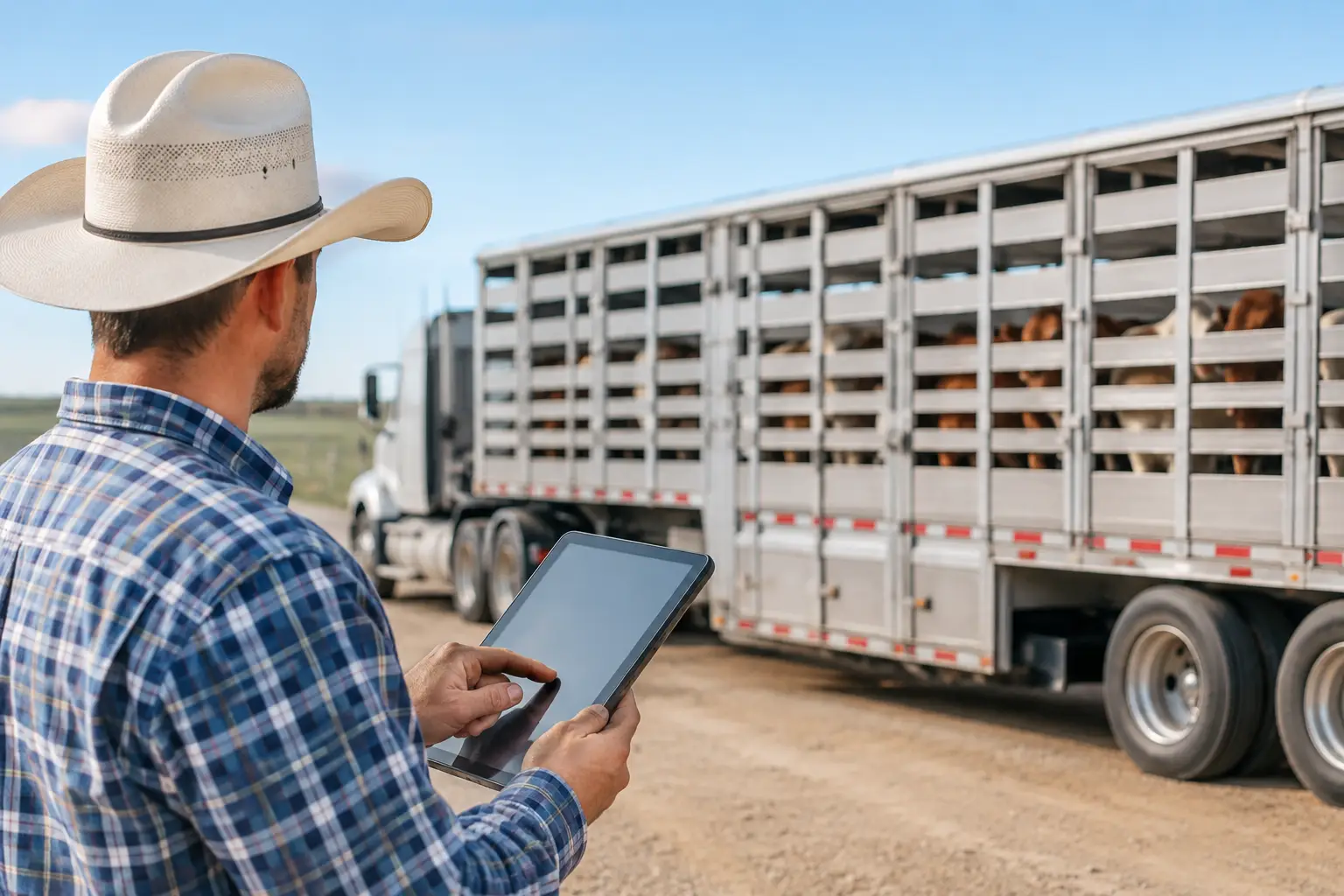
A good animal can turn into an expensive purchase fast when the trailer has to cross three states. Before you agree on a price, use a livestock hauling cost calculator to put real numbers beside the asking price. It will not replace a hauler's quote, but it can keep freight from becoming an afterthought after the deal is made.
For private-treaty livestock sales, hauling is usually the buyer's responsibility unless both parties agree otherwise. That is normal. The key is knowing the likely cost before you commit, especially when buying a single horse, a few bred does, a small group of feeder calves, or breeding stock that cannot simply ride in the same load as anything else.
What a livestock hauling cost calculator should include
The basic math starts with miles and a rate, but that is only the first line of the ticket. A useful calculator accounts for the trip type, the number and class of animals, pickup and delivery conditions, and the extra costs that come with a real livestock run.
Start with the loaded miles between the seller and the destination. Then ask whether the hauler is charging for one-way loaded miles, round-trip miles, or a minimum trip charge. A local hauler returning home may quote differently than a commercial carrier that must reposition equipment after delivery. Never assume the map mileage is the billable mileage.
A practical estimate looks like this:
Estimated hauling cost = mileage charge + minimum or base charge + animal or space charge + fuel surcharge + accessorial costs
Accessorial costs are the details that change a simple run into a long day: layovers, overnight care, ferry crossings, extra stops, waiting time, difficult loading, special bedding, health paperwork handling, or a route that requires a longer trailer-friendly path. Not every haul includes these charges, but they should be part of the conversation.
For a whole-load cattle shipment, the cost may be quoted by the mile or as a flat truck price. For one horse, a few goats, or a small group of sheep, the quote is more likely to reflect the animal's stall, pen, or share of trailer space. A single animal may cost more per head than a full load because the truck, driver, fuel, and time still have to be paid for.
The inputs that change the freight number
Distance matters, but livestock type and load size matter just as much. A hauler needs to know what is being moved, how many head, approximate weights, and whether animals can safely travel together. “A few cows” is not enough information for a dependable quote.
Animal class and handling needs
Cattle, horses, hogs, sheep, goats, poultry, and exotics have different space, ventilation, partition, bedding, and handling requirements. A load of quiet feeder cattle is not priced the same way as a stallion, a sow with piglets, or a group of registered sheep headed to a show.
Let the hauler know whether animals are bred, horned, weaned, bottle-fed, aggressive, unaccustomed to trailers, or carrying young. Be honest. A surprise at the loading chute can cost time, create safety problems, and strain a deal that was otherwise straightforward.
Number of head and trailer utilization
Freight per head drops when more animals fill the available space. If you are purchasing two calves 700 miles away, a dedicated trip may not pencil out. Joining a shared load, arranging a pickup point, or buying closer to home may make more sense.
That does not mean the cheapest freight is always the right choice. Breeding quality, genetics, health status, and the value of the animal still matter. It simply means freight belongs in the total purchase calculation, not in the fine print.
Origin and destination conditions
A farm address is not the same thing as a truck-accessible loading point. Narrow county roads, low branches, muddy drives, tight gates, steep approaches, and no turn-around can all affect what equipment can reach the property. Tell the hauler up front if a semi cannot get in.
The same applies at delivery. If unloading requires backing down a dead-end lane or opening a pen before dark, plan for it. A nearby stockyard or fairground can sometimes serve as a safer meeting point, but only if everyone agrees and the animals can be handled properly there.
Timing and route
Season, weather, and timing can move a quote. Heat, ice, major holidays, sale-barn traffic, and limited availability during busy breeding or show seasons can all affect scheduling. A hauler who has an open spot on a route may offer a better rate than one asked to make a special run tomorrow.
Flexible dates can save money, but they require clear communication with the seller. Do not ask someone to hold livestock indefinitely because you are waiting on a cheaper backhaul. Set a reasonable pickup window, confirm feed and care arrangements, and put the agreement in writing.
How to estimate livestock hauling cost before requesting quotes
Use the calculator as a planning tool, then get at least two comparable quotes for a meaningful haul. Give every hauler the same details: pickup ZIP code, delivery ZIP code, animal type and count, estimated weight, dates, loading setup, and any special needs.
Suppose you are buying six bred beef cows located 420 loaded miles away. A hauler may quote a flat rate based on round-trip distance, fuel, trailer space, and scheduling. Another may have room on a multi-stop route and quote per head. The lower number is not automatically the better deal if it involves a much longer transit time, uncertain pickup date, or stops that do not suit the cattle.
For a rough early estimate, calculate both a low and high range rather than one tidy number. Add the expected purchase price, freight, veterinary inspection or health certificate costs if applicable, insurance if you choose it, and any destination costs such as testing, quarantine, or feed. That is your delivered cost.
Delivered cost is the number that matters when comparing listings. A group of bred heifers priced lower in another state may still cost more at your gate than a higher-priced group two counties over. The same thinking applies to livestock you are selling. If a buyer asks whether you will help coordinate hauling, clear information can keep a serious prospect from walking away because the logistics feel uncertain.
Questions to ask before booking a hauler
Price is only one part of the decision. Ask whether the quote is guaranteed or estimated, what mileage basis is used, whether fuel is included, and what happens if loading takes longer than expected. Confirm the expected pickup and delivery window, not just the date.
Also ask about insurance, authority, experience with your class of livestock, trailer cleanliness, bedding, rest stops, and how the hauler handles an animal that becomes ill or injured in transit. If interstate movement is involved, verify what paperwork is needed before the truck arrives. Requirements vary by species and destination state, and health documents may need to be issued within a specific time window.
Get the agreed price and terms in a text or email. It does not need to be complicated. Record the animal count, origin, destination, expected dates, quoted charges, deposit terms, and who is responsible for paperwork. Clear terms protect the buyer, seller, and hauler.
When hauling makes sense and when it does not
A nationwide marketplace gives buyers more choices, but distance should not make people careless with the math. Paying freight can make good sense for hard-to-find genetics, a specific bloodline, a proven horse, or a uniform group that fits your operation. It may not make sense for common commercial livestock where comparable animals are available closer to home.
If the calculator shows freight adding too much per head, consider buying a larger group, finding another buyer to share a load, meeting at a central location, or waiting for a hauler already running that lane. Each option has trade-offs. Shared freight can reduce cost, but it can also reduce control over timing and increase biosecurity considerations.
BarnBridge buyers and sellers can use location details, real photos, and direct conversation to sort out these questions before money changes hands. The listing starts the deal. The hauling plan is what gets the animals safely from one operation to the next.
A hauling estimate should make you more prepared, not more confident than the facts allow. Get the details, compare like-for-like quotes, and leave room in the budget for the part of livestock buying that never fits neatly into a calculator: getting the right animals home right.
Got stock to sell?
Listings are free and livestock sells at 0% commission. Buyers contact you directly.