How to Photograph Livestock for Online Sales
Published November 2, 2026
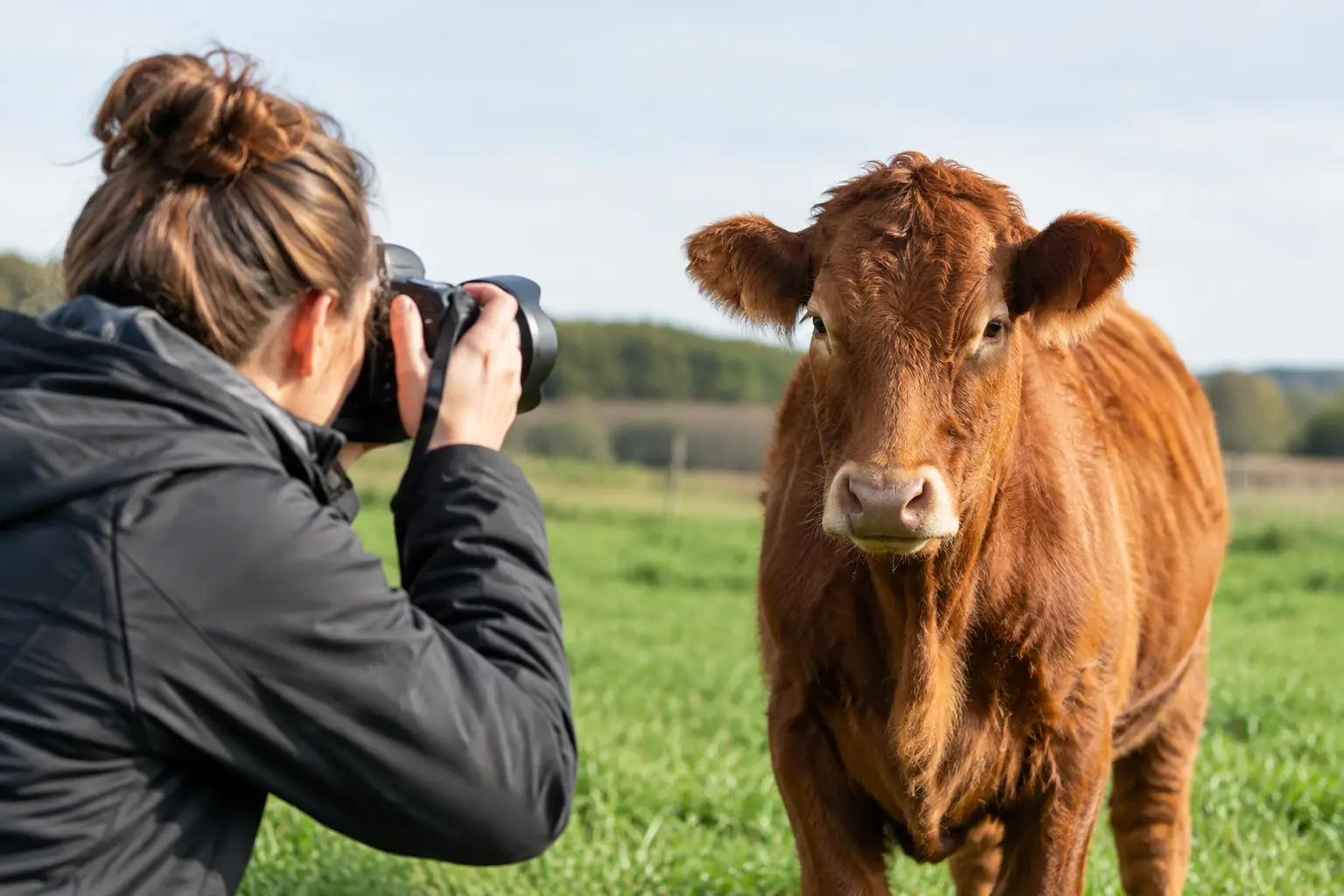
A buyer can forgive a less-than-perfect backdrop. They will not forgive photos that hide the animal they drove three hours to inspect. When you photograph livestock for online sales, the job is not to make cattle, horses, goats, sheep, hogs, or poultry look fancy. The job is to show an honest animal clearly enough that a serious buyer knows whether it is worth a call, a bid, or a trip to your place.
Good photos cut down on tire-kickers and build confidence with buyers who are too far away to stop by before making first contact. They also protect the seller. Real, current pictures give everyone a fair starting point before they talk price, hauling, registration papers, or pickup dates.
Start With an Honest, Presentable Animal
Do not wait for a professional photo setup. Most sellers can get useful listing photos with a clean phone lens, decent daylight, and a little patience. But take a few minutes to prepare the animal and the pen.
Brush off dried mud, manure, loose hair, and heavy bedding where practical. Make sure an ear tag, brand, tattoo, or other identifying mark is visible if it matters to the sale. For registered animals, a photo that connects the animal to its paperwork can save a buyer from guessing. If the animal has a scar, horn damage, a cloudy eye, an old injury, or a noticeable condition issue, photograph it plainly. Disclose it in the listing as well.
This is not about making every animal look like a show prospect. It is about avoiding avoidable distractions. A clean animal in ordinary working condition will usually sell better than a heavily filtered photo that leaves the buyer wondering what is being hidden.
Use Light That Shows Condition, Not Just Color
Early morning and late afternoon often provide the easiest light. The sun is lower, shadows are softer, and animals are less likely to be squinting into bright midday glare. Overcast days can be even better for dark-colored livestock because the light is more even.
Avoid shooting with the sun directly behind the animal. Backlighting can turn a good female into a dark outline and hide body condition, udder shape, feet, and structure. Put the sun behind you or off to one side so the animal is evenly lit. If harsh midday sun is your only option, move to open shade where the whole animal is still visible. Do not photograph half the animal in deep shade and half in direct sun.
Skip filters, portrait effects, and aggressive color adjustments. A buyer needs to see actual hair coat, hide color, eye condition, and flesh. If your phone automatically boosts color or sharpness, keep the adjustment light.
The Core Photos Every Livestock Listing Needs
A buyer should be able to understand the animal from the listing without having to ask for basic views. The exact set depends on species and purpose, but these photos are useful for nearly every individual animal listing:
- A full side profile, standing square on reasonably level ground
- A front view that shows width, chest, legs, and feet
- A rear view that shows frame, hindquarters, legs, and udder or scrotal development when relevant
- A three-quarter view that gives a natural overall look
- A close-up of the head, including eyes, ears, tag, and breed character
- Clear photos of anything a buyer needs to verify, such as an udder, feet, horns, brand, tattoo, registration number, or prior injury
Take more photos than you expect to post. Livestock move, blink, turn their heads, and plant one foot farther forward than the other. Review the images before you walk away. A photo that looked fine in the moment may be blurry, poorly framed, or blocked by a gate panel.
Side Profiles Matter Most
For cattle, sheep, goats, and horses, the side profile does a lot of the work. Try to catch the animal standing naturally with its head level and all four feet visible. Do not crowd it with the camera. Step back and use your phone's standard lens or a modest zoom so the body proportions stay true.
Wide-angle photos taken too close can make the head look oversized, shorten the hind end, or distort legs. That may make a good animal look poor, and it raises suspicion with experienced buyers. Keep the camera around the animal's mid-body height, not pointed steeply downward.
For feeder cattle or groups sold primarily by weight and type, buyers may care more about uniformity, frame, flesh, and condition than a perfect posed profile. Still, give them a level, well-lit look at the group and avoid shooting through dusty panels.
Photograph Livestock for Online Sales by Species and Purpose
The right photos depend on what the buyer is purchasing. A bred cow, a herd sire, a riding horse, and a pen of feeder pigs are not evaluated the same way.
For breeding cattle, show both sides if possible, plus front and rear views. Include udder and teat photos for bred cows or cow-calf pairs. For bulls, clear photos of scrotal development, feet, legs, and overall structure matter. If a bull is being sold with semen testing, breeding soundness information, or registration papers, say so in the description and photograph the documents carefully enough to read, while keeping private information private.
For horses, include full-body views from both sides, legs and hooves, head and eyes, and photos or short video of the horse moving if the platform allows it. A horse standing quietly tells a buyer something. A horse walking and trotting tells them more. Be clear about training, soundness history, and any maintenance needs rather than trying to photograph around them.
For goats and sheep, a level side view and rear view help buyers evaluate body shape and structural correctness. If the animal is being sold for milk production, show the udder. If it is registered or identified by tattoo, get a readable image. Wool or long hair can hide condition, so include a current weight, age, and a direct written description.
For hogs and poultry, clean pen photos matter. Show the animal standing, not only lying down at the feeder. With poultry, include breed, age, sex, health status, and whether the bird is laying or breeding. For groups, show enough of the lot that buyers can judge consistency instead of posting one standout animal as the only example.
Keep the Background Simple and Safe
A plain fence line, clean alley, open lot, barn wall, or pasture edge is usually enough. Watch for visual clutter before you start. Feed sacks, broken panels, loose wire, old machinery, and manure piles pull attention away from the animal. More importantly, they can make buyers question how stock is being kept.
Do not put yourself, a helper, or an animal in an unsafe position for a picture. No listing photo is worth getting kicked, pinned, or run through a gate. Work animals in a familiar pen or alley, use normal handling practices, and have help if the animal is flighty. If a livestock guardian dog, calf, or pasture mate keeps the animal settled, that is fine, but make sure the subject is still visible.
Avoid photos with children standing close to livestock merely to show size. A tape measure, hip-height estimate, current weight, or known frame score is safer and more useful.
Use Video When Movement Is Part of the Value
Photos are the foundation, but a short, steady video can answer questions still images cannot. This is especially useful for horses, breeding bulls, show prospects, working dogs, and animals with a known old injury that is currently sound.
Keep video simple. Record 30 to 60 seconds in good light. Start with the animal standing, then show it walking naturally on level ground. Do not add loud music, fast cuts, or a sales pitch that talks over every second. If you are narrating, state only useful facts: age, sex, current weight or estimated weight, vaccination status, breeding exposure, disposition, and any condition issue already disclosed in the listing.
For larger groups, walk slowly along the pen or pasture edge. A wide, steady view is better than racing the camera across a hundred head. Buyers need a realistic look at the cattle, not a dizzying highlight reel.
Match the Photos to the Written Description
Pictures earn attention. Details earn trust. Make sure the listing description answers the questions the photos cannot: age, breed or cross, sex, weight, health work, pregnancy or breeding status, registration status, location, price, and whether the buyer is responsible for loading and hauling.
Use current photos. If the animal has changed condition since the pictures were taken, take new ones. Seasonal hair, a growing calf, a fresh injury, or a change in pasture condition can materially change what a buyer expects. Say when photos were taken if they are more than a few weeks old.
BarnBridge buyers deal directly with owners, which makes straightforward photos and plain descriptions especially valuable. The right buyer does not need a sales pitch. They need enough honest information to decide whether to call and arrange an inspection.
Before publishing, look through the listing as if you were spending your own fuel money to go see the animal. Can you tell which animal is for sale? Can you see its condition and structure? Would any visible issue surprise you in person? If the answer is yes, take one more photo and say one more clear thing. That small bit of honesty is often what turns an online inquiry into a completed sale.
Got stock to sell?
Listings are free and livestock sells at 0% commission. Buyers contact you directly.