Ranch Equipment Liquidation Without Leaving Money
Published October 13, 2026
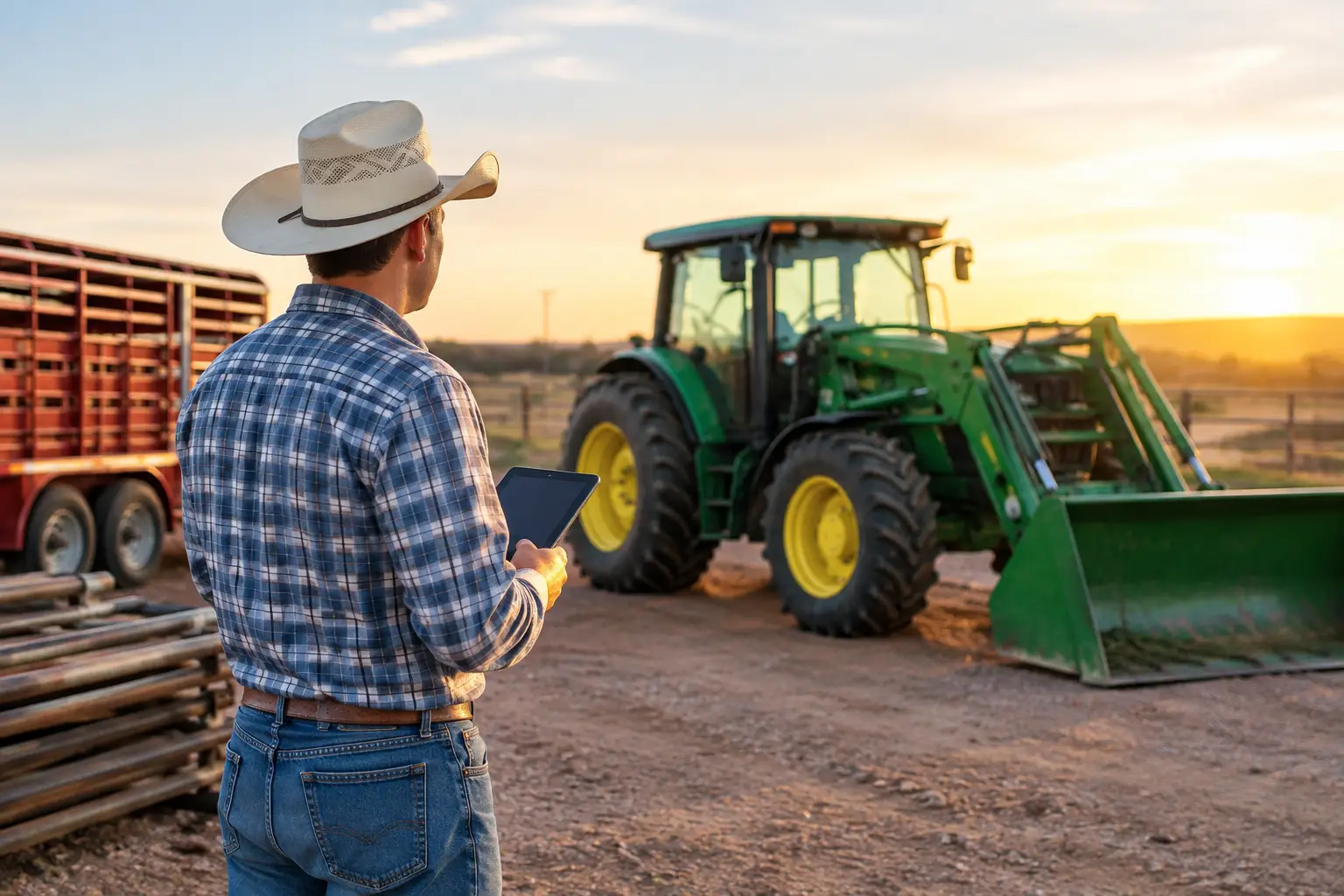
A ranch equipment liquidation is rarely just about clearing a shed. It may follow a retirement, an estate settlement, a change in grazing plans, a drought-driven herd reduction, or a decision to replace older iron before repair bills get worse. Whatever brought you there, the goal is the same: turn usable equipment into cash without giving it away to the first person who shows up with a trailer.
The best liquidation plan balances speed, price, and effort. You can usually get two of the three. A fast sale with little work may bring less money. Holding out for top dollar can take time, especially on specialized equipment. The right approach starts with an honest look at what you have, what it is worth where it sits, and who is most likely to use it.
Start Ranch Equipment Liquidation With a Real Inventory
Walk the place before you post a single item. Write down every machine, implement, trailer, attachment, and useful piece of handling equipment. Include model and serial numbers, approximate hours, tire condition, known repairs, missing guards, hydraulic leaks, title status for trailers, and whether the item currently runs and operates.
Do not lump everything into one vague description like “ranch equipment, take it all.” A buyer may want the squeeze chute, the PTO generator, the old stock trailer, or the three-point mower, but not necessarily the whole package. Itemized listings create more buyers and make it easier to see which pieces deserve individual attention.
A practical inventory also keeps family members, partners, and estate representatives on the same page. Put a realistic reserve or asking range next to each item. That does not mean every item needs to be priced publicly on day one. It means you know the number below which selling no longer makes sense.
Sort by value, demand, and condition
Start with equipment that has broad demand and enough value to justify individual marketing. Tractors, skid steers, stock trailers, bale feeders, hay equipment, working chutes, utility trailers, and well-kept implements usually fit that category.
Then separate out low-dollar shop items, worn attachments, scrap candidates, and parts equipment. Selling a $150 post-hole digger separately can be worthwhile. Spending three weeks answering messages about a bent, incomplete disc blade usually is not. Group small items into useful lots when that saves time without hiding their condition.
Price the Equipment for the Market You Actually Have
Book values and online asking prices can provide a starting point, but they are not a sale price. Condition, location, season, transport cost, and local demand matter. A sound cattle trailer may bring strong interest before fall shipping. A hay rake can sit longer if every hay producer in the county already owns one. Equipment that is hard to haul has a smaller buyer pool, even when it is in good shape.
Look for completed sales when possible, not just ambitious asking prices. Compare year, make, model, hours, attachments, maintenance history, and condition. A tractor with an honest 6,000-hour meter, cold-start video, and recent service records can be easier to sell than a lower-hour machine with no history and fresh paint hiding the trouble spots.
Be direct about flaws. “Runs, but hydraulic remote seeps under load” is better than “good condition” if the buyer will find the seep during inspection anyway. Straight disclosures save wasted trips, reduce arguments at pickup, and help serious buyers trust the rest of your description.
Decide whether to use fixed price, offers, or auction
A fixed-price listing works well when you know the market and are willing to wait for the right buyer. It gives buyers a clear number and limits back-and-forth. If you use “best offer,” state whether you are considering reasonable offers or simply testing the market.
A timed auction can make sense when you need a firm sale date, have several bidders for a desirable item, or are moving a full line of equipment. It can also help establish a market price for unusual equipment that is hard to value. The trade-off is that an auction date creates urgency for you too. Once bidding ends, you need to be ready to handle payment, paperwork, loading, and removal.
For a full retirement dispersal, use both where it makes sense. Sell higher-demand, easy-to-price equipment at a fixed price before the deadline. Put remaining machinery, grouped lots, and time-sensitive items into a clear auction plan. BarnBridge offers owner-to-owner listings as well as timed online equipment auctions, which gives sellers room to choose the method that fits the equipment and the calendar.
Good Photos Do More Than a Long Description
Real photos are part of the sale. Take them in daylight with enough room to see the full machine. Photograph both sides, the operator area, tires or tracks, hitch points, hydraulic couplers, PTO shafts, wear points, serial plate, hour meter, and any damage you mention.
Show the equipment working when you can. A short video of a loader lifting, a trailer’s lights working, a chute operating, or a tractor starting cold answers questions before they become phone calls. Do not film around the issue. If a gate latch is bent or a cylinder drifts down, show it and describe it.
Clean equipment enough to inspect it, but do not make it look dressed up for a sale. Pressure-wash manure and mud off a livestock trailer. Sweep out the cab. Remove baling twine from moving parts. Buyers expect used ranch equipment to look used. They do not expect it to be impossible to evaluate.
Write Listings That Answer the Questions Buyers Ask First
Put the key facts up front: make, model, year if known, hours or usage, location, price or sale method, and major attachments. Then cover condition, recent repairs, known issues, and pickup requirements.
Avoid claims you cannot support. “Ready to work” means different things to different people. If it needs a battery, say so. If the PTO was not tested because you do not have the right tractor, say that too. Sold as-is, where-is is a sensible starting point, but it is not a substitute for an honest description.
Expect serious buyers to ask about service records, ownership, liens, title status, dimensions, weight, and loading. Have those answers ready. For trailers and titled equipment, confirm that the title is in hand and matches the identification number before advertising. For financed machinery, get a payoff plan in place before accepting money.
Set Terms Before a Buyer Is Standing at the Gate
Most trouble in a liquidation comes from unclear terms, not bad equipment. State whether you require a deposit, what payment methods you accept, when full payment is due, and how long the buyer has to remove the item. For equipment that requires loading help, say whether you have a loader available and whether that help is offered only at a certain time.
Be cautious with overpayments, third-party shipping stories, and anyone who will not talk plainly about the machine. A legitimate buyer may be several states away, but they should still be willing to discuss condition, inspection, payment, hauling, and timing. Verify cleared funds before releasing equipment, titles, or serial-number paperwork.
Keep a simple bill of sale for every major item. Include buyer and seller names, date, equipment description, serial number when available, sale price, and the words “sold as-is, where-is.” Each party should keep a signed copy. That small amount of paperwork can prevent a great deal of confusion later.
Keep the Sale Moving Without Rushing the Deal
Reply to serious inquiries promptly, but do not spend all day chasing people who will not answer basic questions. Set inspection windows. Ask buyers to bring a qualified operator if they need to test a machine they are not comfortable running. If a buyer wants an item held, get a clear deposit and removal date in writing.
There is no shame in saying no to a low offer, a strange payment arrangement, or a buyer who expects you to guarantee an old machine like a dealer would. Your job is to represent the equipment fairly, make it available for inspection, and complete the sale cleanly. The buyer's job is to inspect it, arrange hauling, and make a decision.
A good liquidation leaves the yard clearer, the paperwork finished, and both sides knowing exactly what changed hands. That is a better outcome than a rushed bargain that follows you for months.
See what your machine is worth
Listings are free and livestock sells at 0% commission. Buyers contact you directly.