Requirements for Hauling Cattle Interstate
Published October 2, 2026
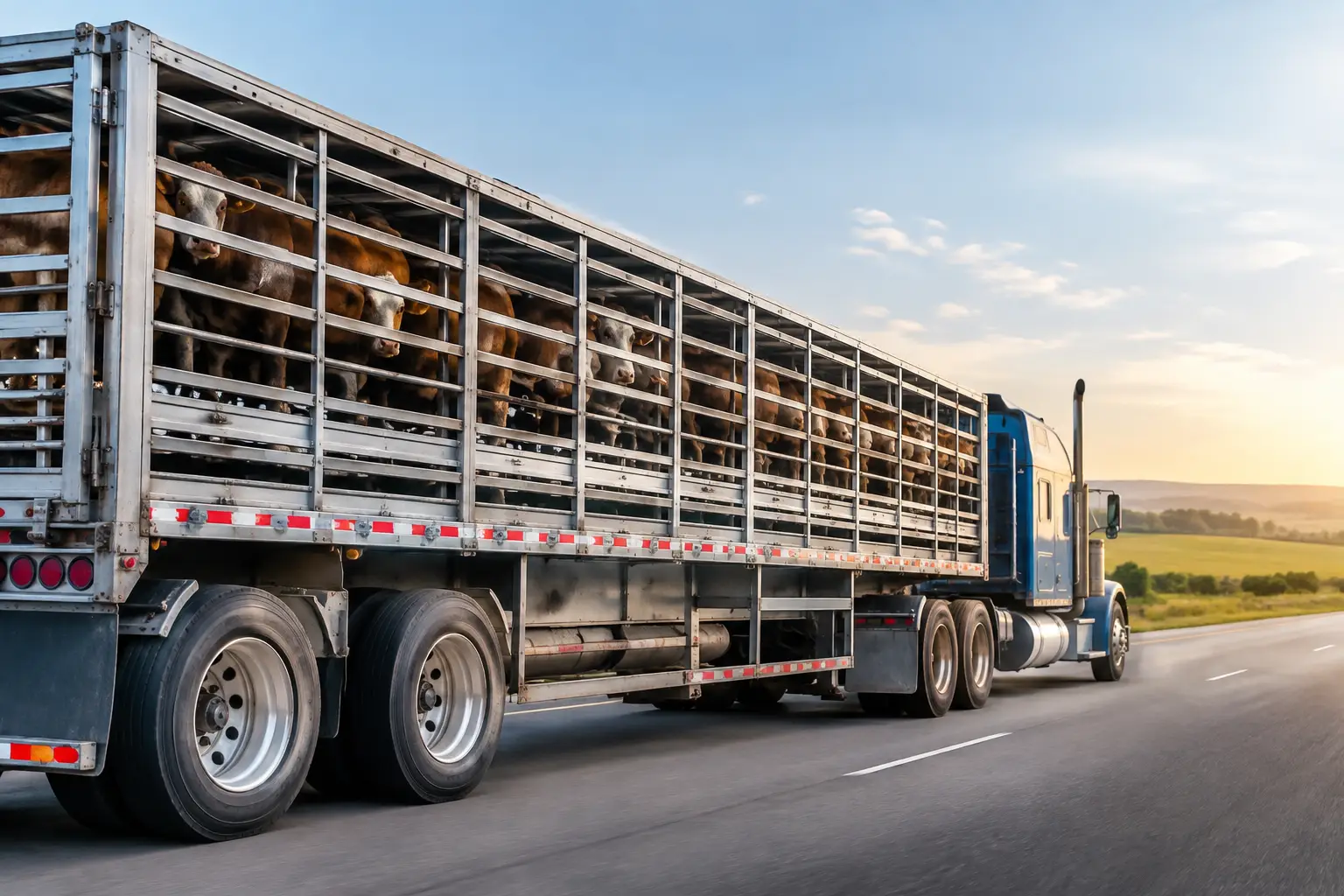
A cattle deal is not finished when the buyer says yes. If the cattle are crossing a state line, the paperwork, identification, destination rules, and hauling plan need to be settled before the trailer gate shuts. The requirements for hauling cattle interstate are not one-size-fits-all. Federal animal-health rules set part of the baseline, but the destination state can require more.
For a direct private-treaty sale, both parties should decide early who is arranging transport, who is paying the hauler, and who is responsible for confirming entry requirements. Do not leave that work for loading morning. A missed permit, expired health certificate, or wrong ear tag can turn a straightforward cattle pickup into a long day at a state line or a rejected load at the destination.
Start With the Destination State's Entry Rules
The destination state's animal health office is the first place to check. Its requirements control entry, even if the cattle are leaving a state with fewer restrictions. Some states require only a current certificate of veterinary inspection for certain classes of cattle. Others may require an entry permit number, approved official identification, specific disease testing, vaccination records, or additional paperwork based on where the cattle originated and where they are headed.
The purpose of the move matters. A set of feeder calves headed directly to a feedlot may have different rules than bred cows going to a ranch, dairy cattle going to a new operation, show cattle headed to an exhibition, or cattle moving through a market. The cattle's age, sex, breed type, and disease status can also change the answer.
Ask these questions when you call or check the state's current entry guidance: Are these cattle moving for feeding, breeding, slaughter, exhibition, or rodeo use? Are they going directly to the final destination? Will they stop at a market, sorting yard, pasture, or overnight facility on the way? Those details are not small print. They often determine which documents are needed.
Requirements can change during a disease event. Restrictions related to brucellosis, tuberculosis, highly pathogenic avian influenza concerns affecting dairies, or another reportable disease can add testing, permits, or movement controls with little notice. Check the rules close to the shipping date, not just when the cattle are listed for sale.
Health Certificates and Entry Permits
For many interstate cattle shipments, the main health document is a Certificate of Veterinary Inspection, often called a CVI or health certificate. A licensed, accredited veterinarian examines the animals and completes the certificate with details such as consignor and consignee information, origin and destination, animal descriptions, official ID numbers where required, and the veterinarian's certification.
A CVI is not a generic form to reuse whenever cattle sell. It has an issue date and a validity period, often 30 days, although the destination state and the type of movement can affect that timeline. It also applies to the cattle identified on that document. If a cow is swapped out after the veterinarian visits, the paperwork may no longer match the load.
Some states require an entry permit before cattle arrive. In many cases, the veterinarian obtains the permit while preparing the CVI, but do not assume that has happened. Confirm the permit number is recorded where the receiving state requires it. Keep a copy of the CVI and permit information with the truck, and make sure the buyer receives a copy as well.
A bill of sale is still worth having, but it does not replace a CVI or an entry permit. For a clean private sale, the bill of sale should identify the buyer and seller, sale date, number and type of cattle, purchase price or terms, and any brand or identification details that matter. Real paperwork protects both sides when cattle change hands across state lines.
Official ID, Brands, and Ownership Records
Official identification is a frequent sticking point because the rules vary by animal class and destination. Federal interstate identification requirements apply to certain cattle and bison, including sexually intact cattle 18 months of age or older, dairy cattle, and cattle used for rodeo, recreation, or exhibition. Approved official ID may include certain metal tags, electronic identification tags, or other identifiers recognized for interstate movement.
Do not confuse a ranch management tag with official ID. A numbered plastic tag can be useful for sorting and matching cattle to a sale sheet, but it may not meet state or federal traceability requirements. If a veterinarian is issuing the CVI, ask which ID is acceptable for the animals and destination before the vet arrives.
Brand inspection is another separate issue. Some western states require brand inspection or proof of ownership for livestock leaving the state, entering the state, or moving within certain areas. A brand certificate, inspection slip, brand clearance, or owner affidavit may be needed even when the cattle already have a health certificate. Brand laws are state-specific, and a buyer should not assume the seller's word or a bill of sale is enough where formal inspection is required.
For cattle sold through BarnBridge or any direct owner-to-owner deal, clear listing details save trouble. State the cattle's location, tag system, breed and age class, whether they have official ID, brand status where applicable, and whether current health paperwork is available. A buyer arranging a long haul needs facts, not guesses made from a pen-side photo.
Requirements for Hauling Cattle Interstate: The Trailer and Hauler
Paperwork gets attention because it is easy to check, but the trailer matters just as much. Cattle need a sound, clean rig with secure gates, solid flooring, working lights and brakes, and enough room to stand and balance. A load that is too tight creates heat stress, falls, bruising, and shrink. A load that is too loose can allow cattle to be thrown around in transit. Stocking density depends on cattle size, weather, trailer design, trip length, and whether animals are horned or heavily bred.
Do not load cattle that are unfit to travel. Down cattle, animals with serious lameness, advanced illness, severe injury, or late-stage pregnancy may need veterinary direction and a different plan. On hot days, schedule around the weather when possible, provide ventilation, and avoid parking a loaded trailer in still air. In cold, wet weather, protect cattle from wind chill without shutting down airflow.
Cleaning the trailer between loads is practical biosecurity. Remove manure and bedding, clean problem areas, and disinfect when risk warrants it. This matters even more if the truck has recently hauled cattle from multiple farms, markets, or facilities. The cheapest hauling mistake is often the one that brings disease home.
If you hire a commercial hauler, verify the basics before cattle are gathered. Confirm pickup and delivery addresses, number and class of cattle, trailer type, expected loading conditions, payment terms, insurance, and who has the paperwork. A professional hauler moving livestock across state lines may be subject to federal and state motor carrier rules, including USDOT registration, commercial licensing, insurance, and hours-of-service requirements.
Farm and agricultural exemptions can apply in some situations, but they are not a free pass for every truck, every distance, or every paid hauling job. For example, agricultural commodity hours-of-service exceptions are limited and depend on the operation and route. If you are hauling cattle for hire or using a large truck and trailer in interstate commerce, check the applicable motor carrier rules before you roll.
Keep the Right Papers in the Truck
The driver should leave with a paper folder or organized digital copies that can be produced without hunting through text messages. For most interstate shipments, that folder may include the CVI, entry permit number if required, bill of sale, brand inspection paperwork where required, and the buyer and seller's contact information. If cattle are moving under a testing program or special disease protocol, include those records too.
Before departure, make one final match between the paperwork and the trailer. Count the cattle. Check tag numbers when they are listed on the CVI. Verify the destination address. Confirm the driver knows whether the cattle are to be unloaded directly or checked in at an office, livestock market, or receiving facility.
Settle the Details Before Loading Day
The smoothest interstate cattle moves are handled like any good farm transaction: direct conversation, honest details, and no surprises. The seller should disclose what is known about health records, brands, temperament, horns, pregnancy status, and loading facilities. The buyer should verify state entry rules and have a receiving plan ready. The hauler should know exactly what is being loaded and where it is going.
Cattle do not care whose mistake caused the delay. They still need feed, water, safe footing, and a place to go. A few phone calls before the deal closes are cheaper than sorting paperwork, livestock, and tempers after the truck is already on the road.
Got stock to sell?
Listings are free and livestock sells at 0% commission. Buyers contact you directly.