How to Sell Livestock With No Commission Fees
Published September 23, 2026
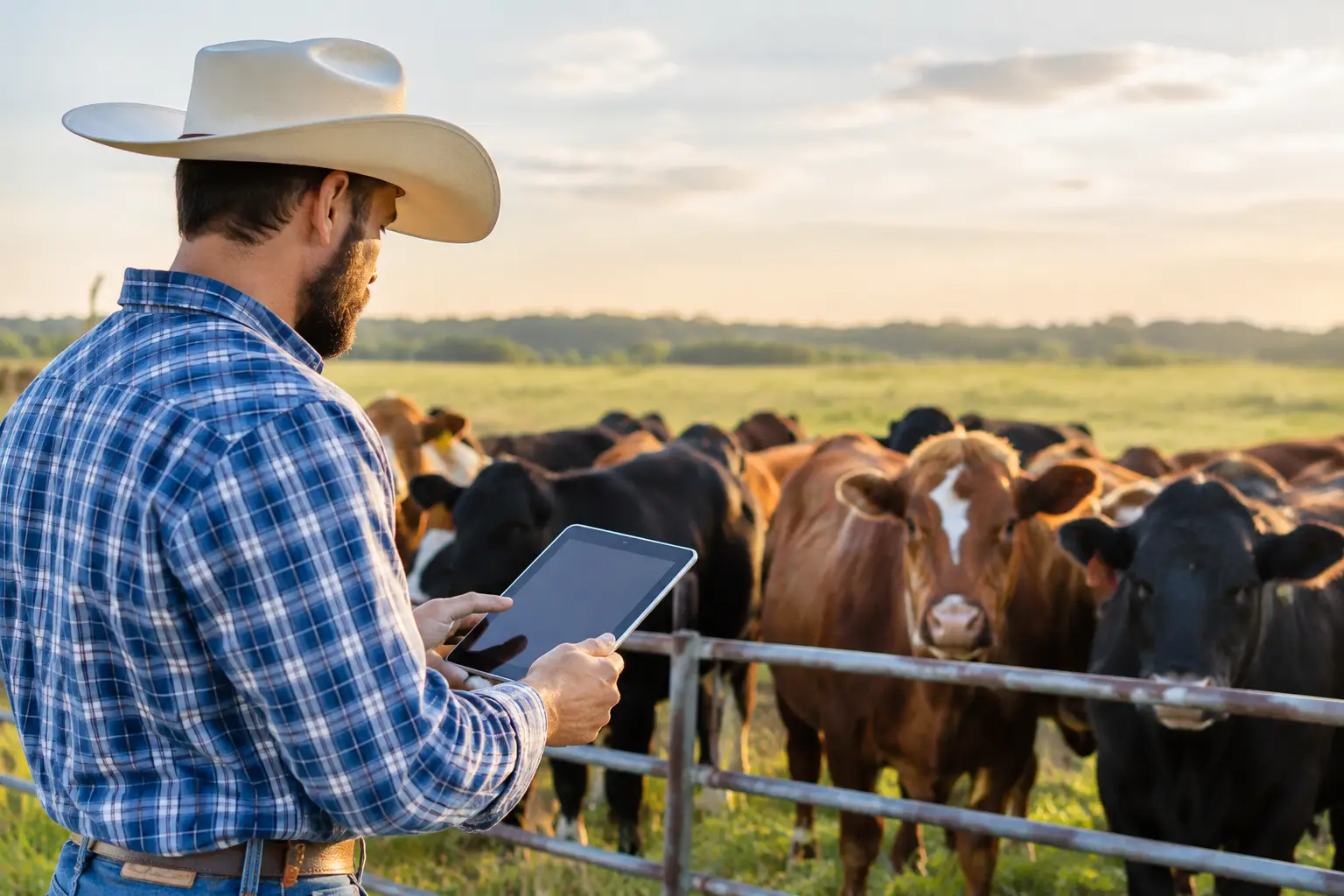
A good set of cattle should not lose value just because it changes hands. If you can sell livestock with no commission, more of the money stays with the person who fed it, bred it, doctored it, and kept records on it. That does not mean the sale is automatic. It means the seller takes responsibility for presenting the animals honestly, finding the right buyer, and handling the details that a sale barn or broker might otherwise manage.
For plenty of producers, a direct sale makes sense. You may have a small group of bred heifers, a registered ram, a proven herd bull, a string of broke horses, or feeder calves that deserve to be marketed on more than weight and a quick look across the ring. A direct owner-to-owner listing gives you room to explain what you have and lets buyers ask questions before they get in the truck.
Why Sell Livestock With No Commission?
Commission is not always a bad deal. A good auction can put competitive bidders in one place, move a large group quickly, and establish a price when the market is active. But it also comes with costs, scheduling limits, shrink, hauling, and less control over how individual animals are presented. For some classes of livestock, especially commercial feeder cattle sold in volume, the sale barn may still be the practical choice.
Private treaty sales work differently. You set the asking price, decide whether the price is per head or by the pound, choose when buyers can inspect, and negotiate directly. There is no middleman taking a percentage of the livestock sale. The trade-off is that you need to build a listing that answers real questions and follow through when a serious buyer calls.
A marketplace with free livestock listings and 0% livestock commissions, such as BarnBridge, can extend your reach beyond the buyers who happen to hear about your stock at the coffee shop. The best result is not always the farthest-away buyer. It is the buyer who understands the kind of livestock you are selling, can meet your terms, and has a workable hauling plan.
Price the Livestock Before You Post It
A price with no basis behind it wastes time for everybody. Start with current local and regional market conditions, then compare animals of similar class, weight, age, quality, and location. Recent sale results are useful, but do not treat the top lot of the day as the baseline for every animal in the county.
For cattle, separate value drivers clearly. A buyer needs to know whether calves are weaned, how long they have been weaned, vaccination history, frame and flesh condition, sex, estimated weight, and whether they are bunk broke. For bred stock, include exposure dates, pregnancy-check information, sire details, calving window, and whether the animal is confirmed bred or simply exposed.
The same plain approach applies to other species. Goat and sheep buyers want to know age, breed makeup, parasite-management history, registration status if applicable, kidding or lambing record, and whether animals are open, bred, or paired. Horse buyers need an accurate account of training, soundness history, habits, paperwork, and any limitation that affects use.
Decide up front whether your price is firm, negotiable, or based on a group purchase. If you are selling by the pound, state the base weight, how animals will be weighed, where the scale is located, and who pays any scale charge. If you are selling per head, say so plainly. A buyer should not have to guess whether the advertised number applies to one animal, a pair, or the entire lot.
Build a Listing Buyers Can Inspect From the Road
Real photos do more selling than fancy language. Take pictures in daylight on dry, level ground when possible. Show both sides, the front and rear, feet and legs, brand or tag if relevant, and a wide shot of the whole group. For cattle and other livestock sold in lots, include a short video of them walking and moving together. Video does not replace an in-person inspection, but it helps a buyer decide whether the trip is worth making.
Your description should match what the buyer will see at the gate. Lead with the basics: species, breed or breed makeup, head count, sex, age or date of birth, location, price, and availability. Then provide the management details that affect value. Mention the good points without making promises you cannot support.
Disclose the hard stuff, too. If a horse has a scar, say it. If a cow lost a calf, say it. If a group has not been vaccinated, say it. If an animal is shy, has been treated for an issue, is short-bred, has a bad eye, or has a known structural concern, put it in writing before someone makes a long drive. Honest disclosure may narrow the buyer pool, but it also prevents a deal from falling apart in your driveway.
Avoid vague phrases such as “gentle” or “great disposition” unless you explain what that means in day-to-day handling. “Easy to catch in a small pen and accustomed to a four-wheeler” is more useful than “very tame.” “Started under saddle, suitable for an experienced rider” is more useful than “kid broke” when the horse has not actually been used by children.
Screen Buyers Without Running Off Good Ones
Serious buyers ask specific questions. They want to know if the cattle are still available, whether health records can be provided, when they can inspect, and whether they can bring a trailer on site. Answer those questions directly. A short phone call often tells you more than twenty messages back and forth.
Be careful with buyers who will not talk, rush you to accept an unusual payment arrangement, send more money than requested, or ask a third party to pick up livestock before payment is settled. Those are common warning signs. Keep communication on the marketplace when practical, then move to a phone call once both sides are serious.
Before holding animals, agree on the terms. A deposit can be reasonable, especially if a buyer needs several days to arrange hauling, but state whether it is refundable and under what conditions. Put the agreed price, head count, pickup date, and payment method in a text or written bill of sale. Clear terms are not distrustful. They keep a good deal from turning into a bad memory.
Handle Paperwork and Pickup Like a Business Deal
Requirements vary by state, species, destination, and whether animals are crossing state lines. Health certificates, brand inspection, proof of ownership, coggins tests, registration transfers, movement permits, and other documents may apply. The seller should know what is required in their area, and the buyer should confirm what is needed to bring animals into their state.
Do not assume the other party has checked. Ask where the animals are headed and whether interstate movement is involved. If paperwork is required, have it ready before the trailer arrives. For registered stock, be clear about whether transfer papers are included, what fees apply, and when those papers will be sent.
At loading, count animals together. Confirm ear tag numbers or other identification where applicable. Collect payment according to the method both parties agreed to, then provide a bill of sale with names, date, livestock description, price, and any stated conditions. Livestock are generally sold as-is unless you offer a written guarantee, so do not create one by making casual promises at the gate.
Hauling deserves the same attention. Make sure the buyer knows your road conditions, loading setup, gate width, and the type of trailer that can get in and out. If the weather has turned the lane soft, say so before they arrive. A smooth pickup protects the livestock and leaves both sides willing to do business again.
Direct Sales Work Best When Trust Is Visible
Selling without a commission is not about cutting corners. It is about keeping the sale in the hands of the people who know the stock. Good photos, accurate records, fair pricing, direct answers, and clear pickup terms do more for your reputation than any sales pitch.
The buyer who leaves with the right animals, the right paperwork, and no surprises is likely to remember your name when they need stock again. That kind of repeat business is worth more than a fast sale that leaves a bad taste at the end of the driveway.
Got stock to sell?
Listings are free and livestock sells at 0% commission. Buyers contact you directly.