What Determines Your Trailer Resale Value?
Published October 15, 2026
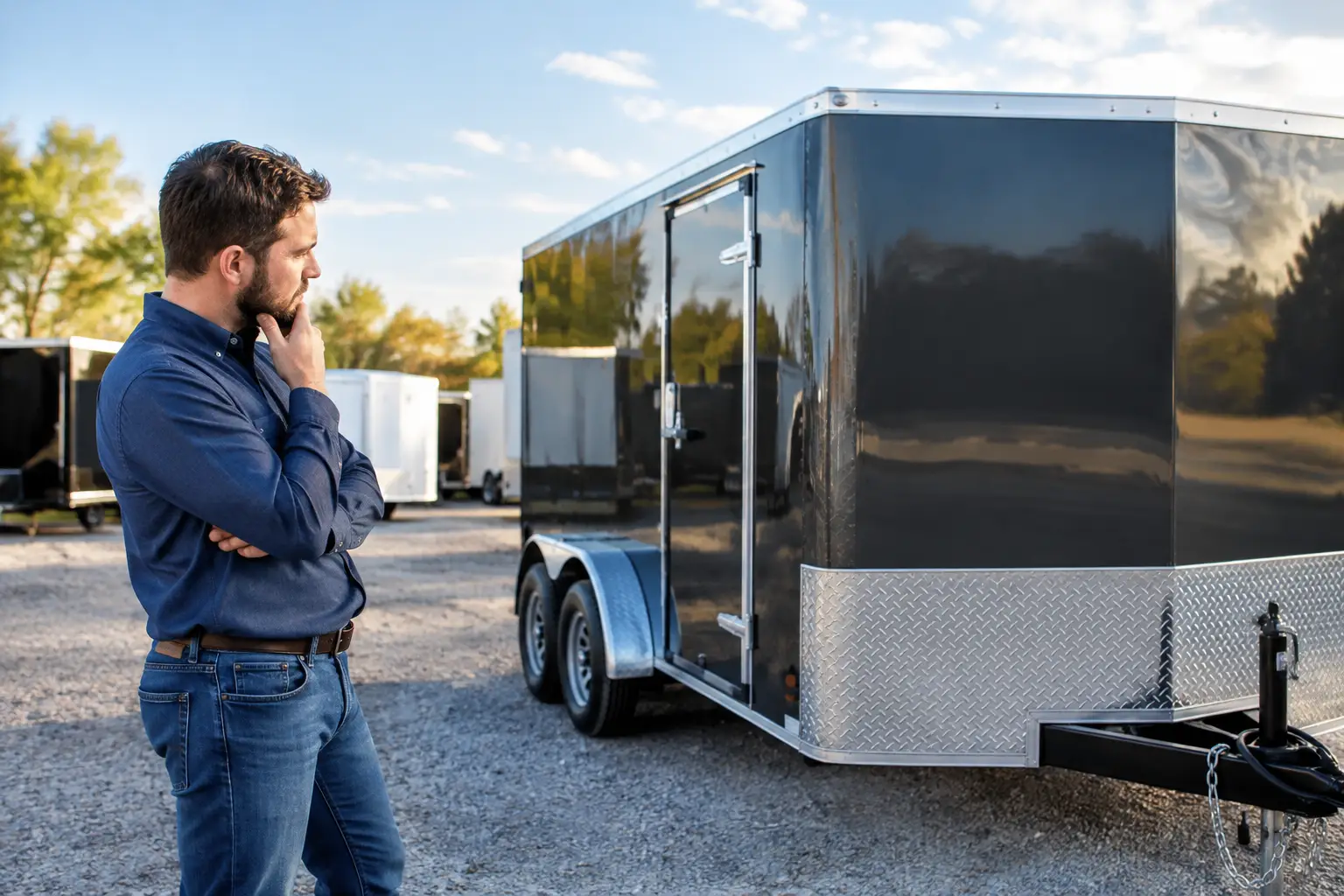
A trailer can look clean from the road and still bring less than it should. Rust hiding under the deck, mismatched tires, weak brakes, a missing title, or an unknown axle rating will stop serious buyers cold. Trailer resale value comes down to more than age and paint. Buyers are paying for safe hauling, clear ownership, useful capacity, and proof that the trailer is ready to work.
For an owner selling direct, that is good news. You do not have to make a trailer look brand-new to get a fair price. You do need to know what buyers inspect, how comparable trailers are actually priced, and when a repair will return more than it costs.
The basics of trailer resale value
Start with the trailer itself, not the price you hope to get. A 16-foot utility trailer, a 24-foot equipment trailer, a stock trailer, a gooseneck flatbed, and an enclosed cargo trailer may all be called “trailers,” but they serve different buyers and hold value differently.
The strongest value drivers are type, capacity, condition, and paperwork. A common light-duty utility trailer may have plenty of buyers, but there are also plenty for sale. A well-kept gooseneck with known axle ratings, working brakes, a solid deck, and a clean title can draw a more serious group of buyers because it solves a real hauling need.
Brand can matter, particularly with livestock and equipment trailers. Buyers recognize manufacturers with readily available parts, known build quality, and a local dealer network. Still, a lesser-known brand in honest working condition often sells better than a name-brand trailer with neglected wiring, worn-out tires, and no documentation.
Age matters, but condition usually matters more. A 15-year-old trailer that has been stored under cover, serviced regularly, and used lightly can bring more than a six-year-old trailer that has spent every winter outside loaded past its rating.
Buyers inspect the expensive problems first
Most buyers can see faded paint. What they are trying to avoid is a purchase that turns into a shop bill before the first load. Price your trailer with that in mind.
Frame, tongue, and welds
A buyer will look closely at the tongue, coupler area, spring hangers, crossmembers, ramps, and welds. Surface rust is common on working trailers and is not automatically a deal-breaker. Deep scaling rust, patched frame damage, bent crossmembers, or fresh paint hiding questionable repairs are another matter.
If a weld repair was done properly, disclose it and show it clearly in photos. Trying to make a repair disappear tends to hurt a deal once the buyer crawls underneath. A straight answer saves wasted trips and protects your reputation.
Axles, brakes, and bearings
Axle capacity is one of the first facts an equipment buyer will ask for. If the axle tags are readable, photograph them. If they are gone, do not guess. State what you know about the trailer's GVWR, brake setup, and axle configuration, then let the buyer inspect it.
Working electric brakes add real value on a heavier trailer. So do recently serviced bearings, properly functioning breakaway equipment, and a good brake controller connection. If the brakes need attention, price for it. A buyer who expects to replace magnets, drums, and wiring will not pay top dollar because the fenders shine.
Tires, wheels, and lights
Tire condition gets more attention than many sellers expect. Buyers look at tread, sidewall cracking, tire date codes, matching sizes, and load range. Four or six matching tires with decent age and tread are easier to sell than a trailer wearing whatever tires were available at the time.
Lights and wiring should work before you list. It is a small job compared with the price hit a buyer may take for “needs wiring.” Check every marker light, turn signal, brake light, and plug. Replace broken lenses and secure loose wiring where practical. Those fixes tell a buyer the trailer has been maintained rather than parked and forgotten.
Deck, floor, gates, and ramps
On an equipment trailer, inspect the wood deck for soft spots, split boards, loose fasteners, and rot around the edges. On a stock trailer, check the floor, mats, gates, dividers, and latches. An enclosed trailer needs dry walls, a sound roof, secure doors, and a usable interior floor.
Ramps and gates deserve special attention because they are both a safety item and a daily-use item. A bent ramp, weak springs, or a gate that will not latch correctly is more than cosmetic. It signals added work and liability to the next owner.
Price from real comparisons, not asking prices
A good listing price starts with comparable trailers in your region. Look for the same general type, length, axle rating, deck style, and condition. A tandem-axle equipment trailer should not be compared with a single-axle landscape trailer just because both are 16 feet long.
Local demand changes the number. Stock trailers may be easier to move in cattle country. A low-profile equipment trailer may bring more near construction, hay, or excavation work. Enclosed trailers can have broader demand, but condition varies so much that size alone tells very little.
When reviewing comparable listings, separate advertised price from likely selling price. Listings that stay up for weeks may be overpriced, incomplete, or poorly presented. A trailer that is priced fairly, photographed well, and described honestly usually gets calls early.
Set an asking price with room for normal negotiation, but do not build a fantasy number into it. If you want $4,000 and similar trailers are changing hands near that amount, listing at $5,500 only gives buyers a reason to pass. Direct owner sales work best when both sides can see the value without playing games.
Repairs that usually help and upgrades that may not
Before spending money, ask one question: will this work remove a buyer objection, or am I simply improving it for myself? Safety and function usually come first.
Repairs that often help resale include making lights and brakes work, replacing unsafe tires, repairing a faulty coupler or jack, securing loose decking, and fixing gates or ramps so they operate correctly. These items make a trailer usable and easier to inspect.
Cosmetic upgrades are more conditional. A basic wash, removal of old decals, touch-up on bare metal, and a tidy deck can make a real difference. An expensive full repaint often will not return every dollar spent, especially on an older utility trailer. The same goes for adding accessories that suit only one buyer, such as specialty racks, custom toolboxes, or a particular tie-down setup.
Do not cover up problems with fresh paint, undercoating, or vague wording. If the trailer needs work, say so. A buyer may still want it at the right price, particularly if they have the skills and shop space to handle repairs.
Build a listing that answers the phone
A trailer listing should let a buyer decide whether the trip is worth making. Include the year, manufacturer, model if known, trailer type, length and width, axle count, GVWR or axle ratings, brake type, tire condition, title status, location, and any known issues.
Use real photos taken in daylight. Show both sides, the front, rear, deck or floor, tires, coupler, jack, ramps or gates, brake-away equipment, VIN plate when appropriate, and any damage. A photo of an axle tag or tire sidewall can answer questions before they become back-and-forth messages.
Be careful with terms like “ready to haul” or “road ready.” If you use them, the trailer should be safe and functioning as represented. If you have not tested brakes recently, say that. Honest hour meters matter on equipment, and honest condition details matter just as much on trailers.
For a direct listing on a marketplace such as BarnBridge, clear details help you reach buyers outside your immediate county without turning the sale into a guessing game. The buyer can inspect it, ask questions directly, and arrange hauling on terms both sides understand.
Paperwork can change the deal
Title requirements vary by state, trailer age, weight rating, and use. Some states title most trailers, while others may use registration or other ownership documents for certain trailers. Know what you have before a buyer arrives.
If there is a title, make sure the name matches and any lien is properly released. If your state does not title that trailer class, have the registration, bill of sale information, VIN, and any manufacturer paperwork you can provide. Buyers traveling across state lines will especially want to know what documents they will receive.
Never promise that a buyer can register a trailer in their state. They need to check their own state's rules. Your job is to accurately state the paperwork in hand and provide a clean, signed bill of sale with the agreed price, date, VIN, and both parties' information.
Let condition set the final number
There is no single depreciation chart that can price every trailer. A clean, reliable trailer with good paperwork can hold value well because it remains useful. A neglected trailer can lose value quickly because the repair list becomes uncertain.
Put your effort where a buyer will see it: safe tires, functioning lights and brakes, solid structure, usable gates, clear photos, and straight answers. Then price it for its actual condition. The right buyer does not need a sales pitch. They need enough information to hook up, inspect it, and feel good about taking it home.
See what your machine is worth
Listings are free and livestock sells at 0% commission. Buyers contact you directly.